
Marketing
Dynamic Video Ads: What They Are and When They're Worth Using
Learn how dynamic video ads adapt content to viewer data, what they are, how they work, and when personalization makes sense for your campaigns.
December 22, 2025


Blog
What's New
Learn how teams produce 20-30 video ad variations per campaign without massive budgets. Practical strategies for scaling video production that actually work.

.svg)
.svg)
%201.svg)
What you will Learn:
You need more video ads to test different hooks, reach new audiences, and keep your campaigns fresh. But traditional video production makes this nearly impossible. A single 30-second ad costs $3,000 to $7,000 and takes two to three weeks to finish.
When you need 15 to 20 variations for proper testing, the budget quickly hits $60,000 or more per campaign. That math does not work for most teams. The good news is that scalable video ads are now achievable without burning your budget.
This guide shows you how modern teams produce 20 to 30 video variations per campaign using smarter systems and creative partnerships.
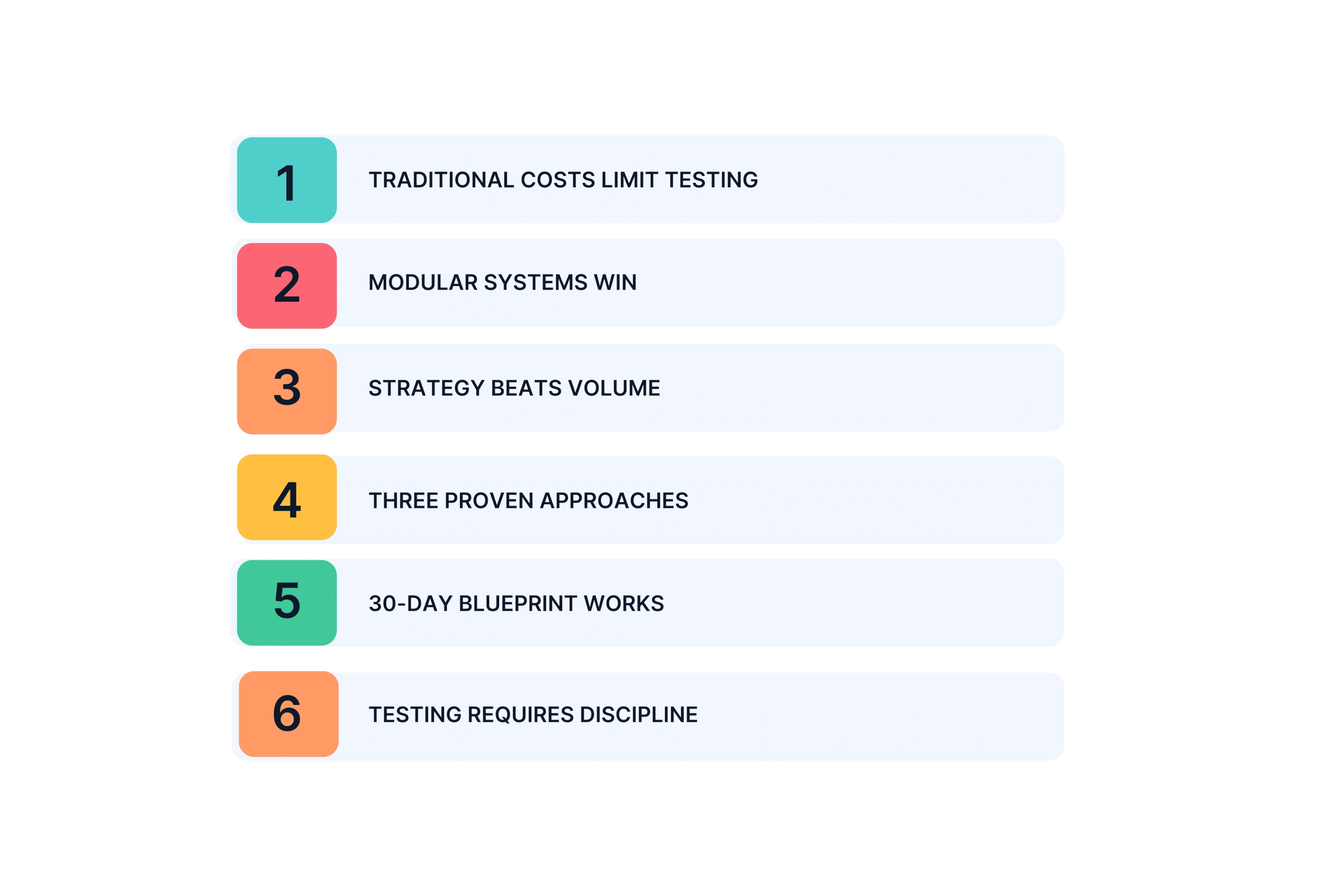
Traditional social ad video production averages $900 to $4,000 per minute. Established brands often spend upwards of $3,100 per minute. When you need 20 ad variations to test different hooks, audiences, and platforms, that adds up to $60,000 to $140,000 per campaign. Most marketers simply cannot afford this approach.
Here is what the math looks like for D2C brands running Meta and TikTok campaigns:
The timeline problem makes this worse. Traditional production takes two to four weeks per asset. By the time your video is ready, campaign windows close or market conditions change. You cannot capitalize on trends or respond to performance data quickly enough. This creates a huge challenge for teams trying to scale video marketing without burning their entire budget.
Scalable video production means creating video content that maintains your brand standards while dramatically increasing output. You do not proportionally increase costs or timelines. This is not about churning out generic content. You build systems where the 5th, 15th, and 50th video do not require starting from scratch each time.
Most brands misunderstand what scaling video ads really means. You are not creating 30 completely different concepts. You create modular components that mix strategically:
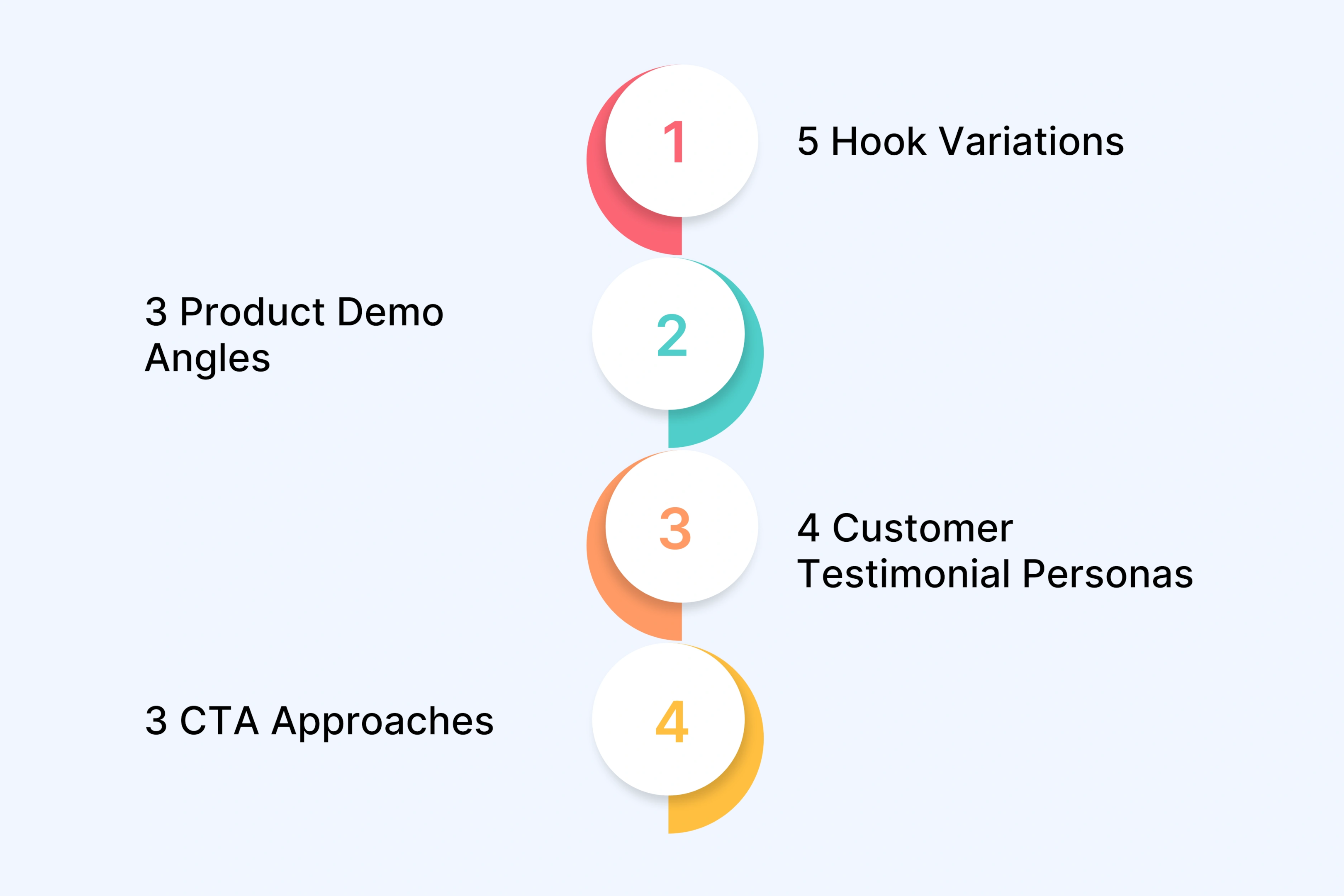
Here is how the math works: One core product demo plus 5 different hooks plus 3 different CTAs equals 15 unique ad combinations from just 9 filmed components.
Brands using short-form UGC with this modular approach report 3x higher engagement and 50% lower cost-per-view than polished studio ads. UGC and short‑form formats consistently outperform polished studio ads: 31% of marketers say short‑form video delivers the best ROI of any format, and interactive/short‑form clips have been shown to boost conversions by up to 80% in some contexts. They are not outspending competitors. They are out systematizing them when scaling video production for their target audience.
Here are the strategies teams actually use to produce 20 or more video ads per campaign without burning budgets. Each approach solves a different challenge in scaling video production while keeping costs manageable.
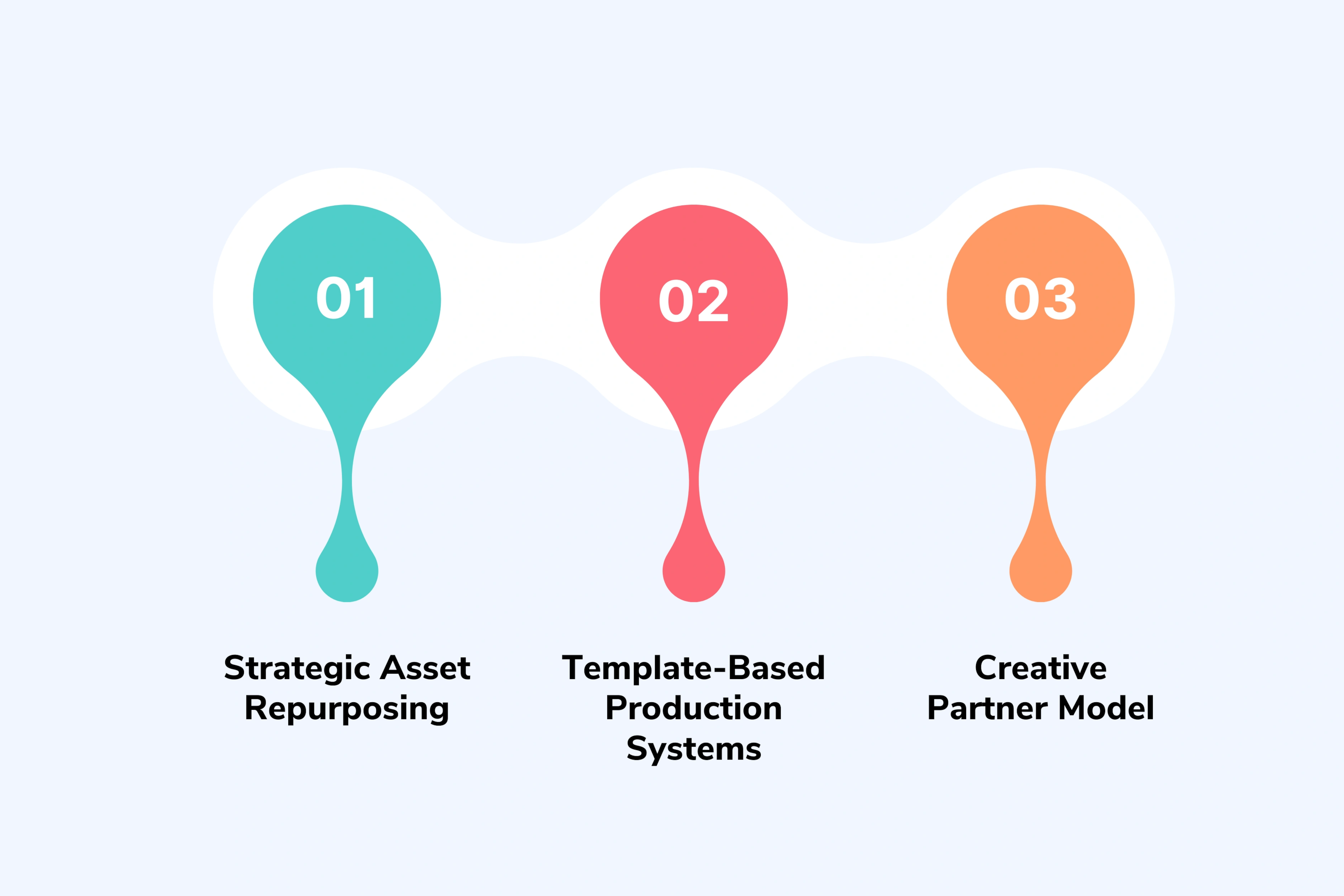
Extract maximum value from every shoot. Film extra b-roll, capture multiple takes, and shoot vertical plus horizontal simultaneously. One 2-minute product demo becomes 12 to 15 social media clips when systematically repurposed. The key is planning for repurposing before production starts, not as an afterthought.
The shot list template for scalable filming:
This approach helps you produce dozens of videos from existing content while saving time on repetitive tasks.
Pre-built frameworks standardize structure while allowing creative variation within defined parameters. Your brand guidelines already standardize colors and fonts. Template systems extend this to video structure, pacing, and format.
Five video ad templates that work across industries:
These templates help teams create user generated content and explainer videos at scale without starting from scratch each time.
Working with dedicated partners who handle end-to-end video production gives you speed and scale without the high costs of traditional agencies. This represents a huge opportunity for brands trying new formats across platforms.
What this looks like in practice:
Across 2025 rate cards, social and ad‑format videos routinely fall in the $400–$2,000 per finished minute range for many brands, with higher‑end campaigns climbing well above that depending on complexity.
One D2C brand needed 25 ad variations monthly for Meta. Traditional agencies quoted $45,000 per month. By partnering with a creative team specializing in scalable production (Unscript), they reduced costs to $8,500 per month while increasing output quality and speed. The partner handled everything from script to final render, eliminating coordination overhead across multiple vendors.
How to evaluate video production partners:
Here is a practical roadmap for teams moving from 5 to 8 videos per quarter to 20 to 30 videos per month. This four-week plan helps you build systems that create a consistent stream of video content without overwhelming your team.
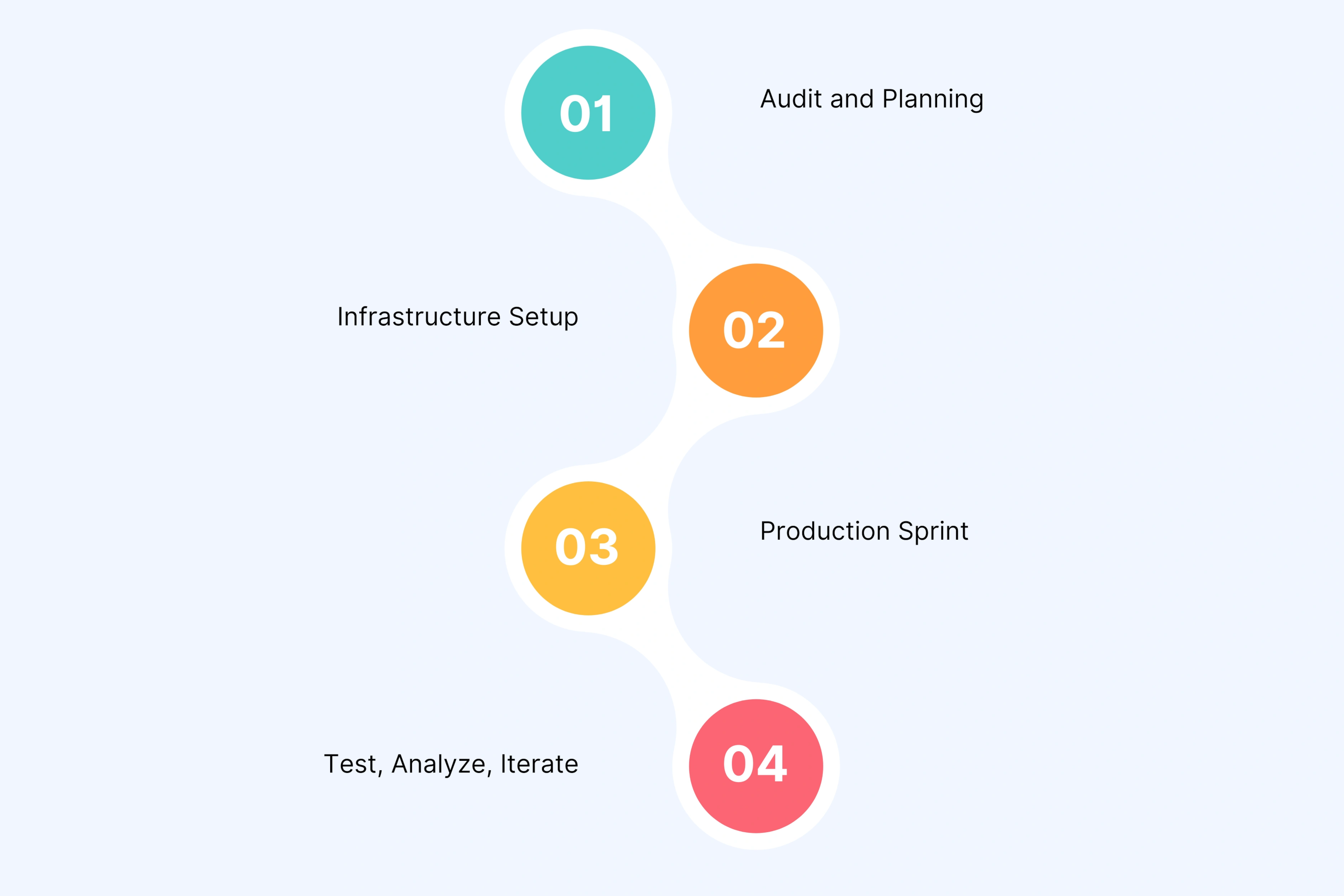
Start by understanding what you already have and what you need to test. Document your existing video assets and identify what can be repurposed for new campaigns. Look at your 3 best-performing videos from last quarter and figure out why they worked.
Map out which hooks, messaging angles, and CTAs need testing. Decide which scaling approach fits your constraints:
Create your modular content framework. Identify which components can be mixed and matched to produce multiple variations from fewer base assets.
Build the operational foundation that supports scalable video production. Establish a centralized asset library with product shots, logos, and brand b-roll. This saves time when you need to create multiple variations quickly.
Adapt your brand guidelines specifically for video:
Build or acquire templates for your top 3 video formats. If you choose to partner externally, onboard them with your brand assets and guidelines during this week. A creative partner like Unscript can handle end-to-end production once they understand your brand requirements.
Produce your first batch of 10 to 15 variations using your chosen approach. Focus on one core concept with multiple hooks. Test what matters most first rather than trying to test everything at once.
Tag each variation with hook type, CTA version, and audience target. This makes analysis easier in week 4. Get all variations approved and uploaded to your ad platforms. When working with a creative partner, you can expect turnaround in hours or days instead of weeks.
Run your variations for a minimum of 7 days with equal budget distribution. Track the metrics that matter for video performance:
Identify your top 3 performers and bottom 3. Document your learnings about which hooks worked, which CTAs converted, and what flopped. Use this data to plan your next batch. Double down on winners and test new angles for underperformers.
By day 30, you should have 10 to 15 videos tested, clear performance data, and a repeatable system for your next batch. This creates an engaging format for campaigns that keeps your audience engaged while supporting business growth.
Here are five problems that slow down teams trying to scale video ads. Learn what goes wrong and how to fix it.
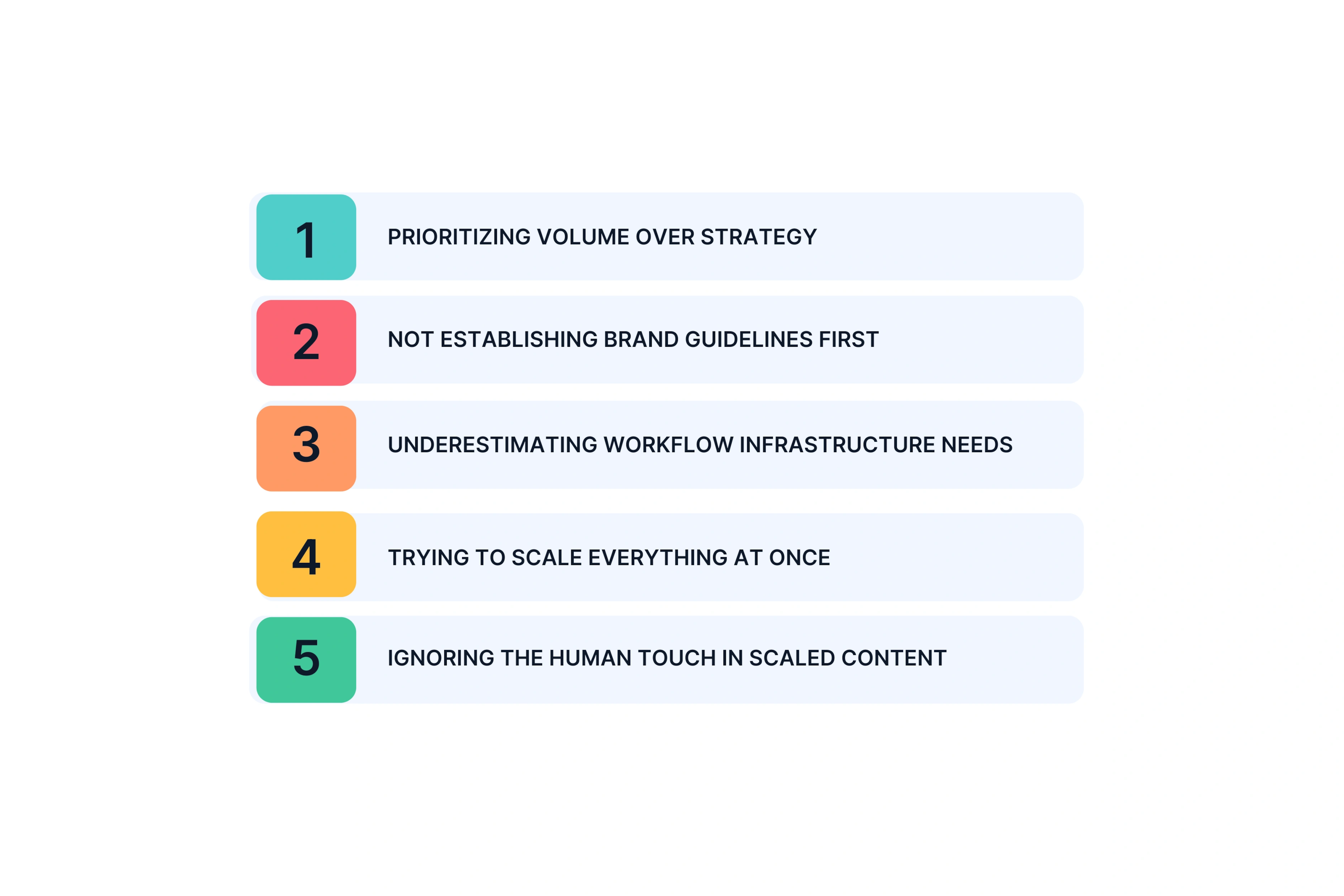
Producing 50 videos randomly does not beat 15 videos with clear purpose. Every video needs a reason to exist. Ask what you want to learn from each variation before you make it.
The fix: Write down your test hypothesis first. If you cannot explain what you are testing in one sentence, skip that video and move to the next idea.
When you scale without rules, your ads look and sound different across platforms. Your audience gets confused by mixed messages and inconsistent tone.
The fix: Write a simple one-page guide. Cover which avatar styles work for your brand, what tone your scripts should use, whether you want bright or dark visuals, and which logos must appear in every video.
Waiting two weeks for six people to approve one video kills your ability to test fast. Slow approvals mean you miss campaign windows and cannot respond to performance data.
The fix: Set a 48-hour approval limit. Give one person authority to greenlight videos using your brand guide. Let your system run without constant intervention.
Teams try to produce UGC clips, product demos, explainer videos, and testimonials all at the same time. This spreads resources thin and results in average content everywhere.
The fix: Choose one video format. Get good at making 20 versions of that format. Then add the next format. Build one system at a time.
AI tools help you work faster, but they cannot replace strategy and creativity. Videos that feel automated get ignored because they lack personality and real connection.
The fix: Use technology to handle repetitive production tasks. Keep humans in charge of writing hooks, choosing angles, and crafting messages. Good scalable video production mixes automation with creative thinking.
Creating 20 videos means nothing if you are not testing them systematically. Only 1 in 5 ads reaches expected performance, but businesses that run consistent experiments report up to 25% improvement in conversions.More broadly, businesses that lean into video and ongoing optimization see outsized returns: some reports show companies using video grow revenue 49% faster than those that do not, and video on key pages can lift conversions by up to 80%.
Start with minimum viable testing. Aim for at least 1,000 impressions per variation as your baseline. Larger channels should push for 5,000 or more impressions. Run tests for a minimum of 7 days to account for daily fluctuations in audience behavior.
What to test first, in priority order:
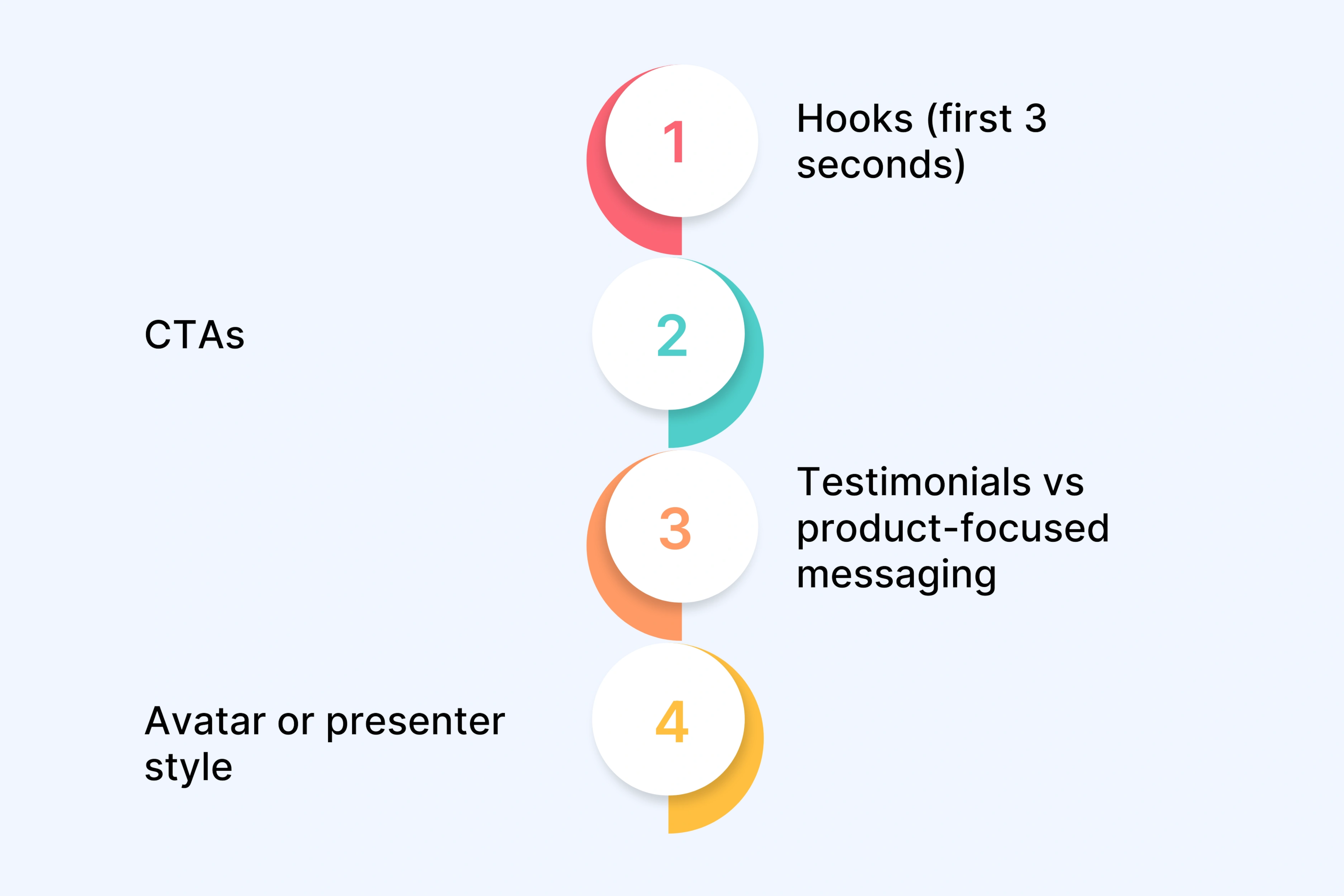
Use sequential testing to avoid confusion. Test 3 to 5 hook variations against the same core content first. Once you find your winning hook, test 3 CTA variations. Then test different testimonial styles or product angles. One fitness brand saw a 45% increase in conversions just by fixing early drop-off points through this testing framework.
Volume breaks without the right operational infrastructure. Teams scaling video content successfully build these four systems:
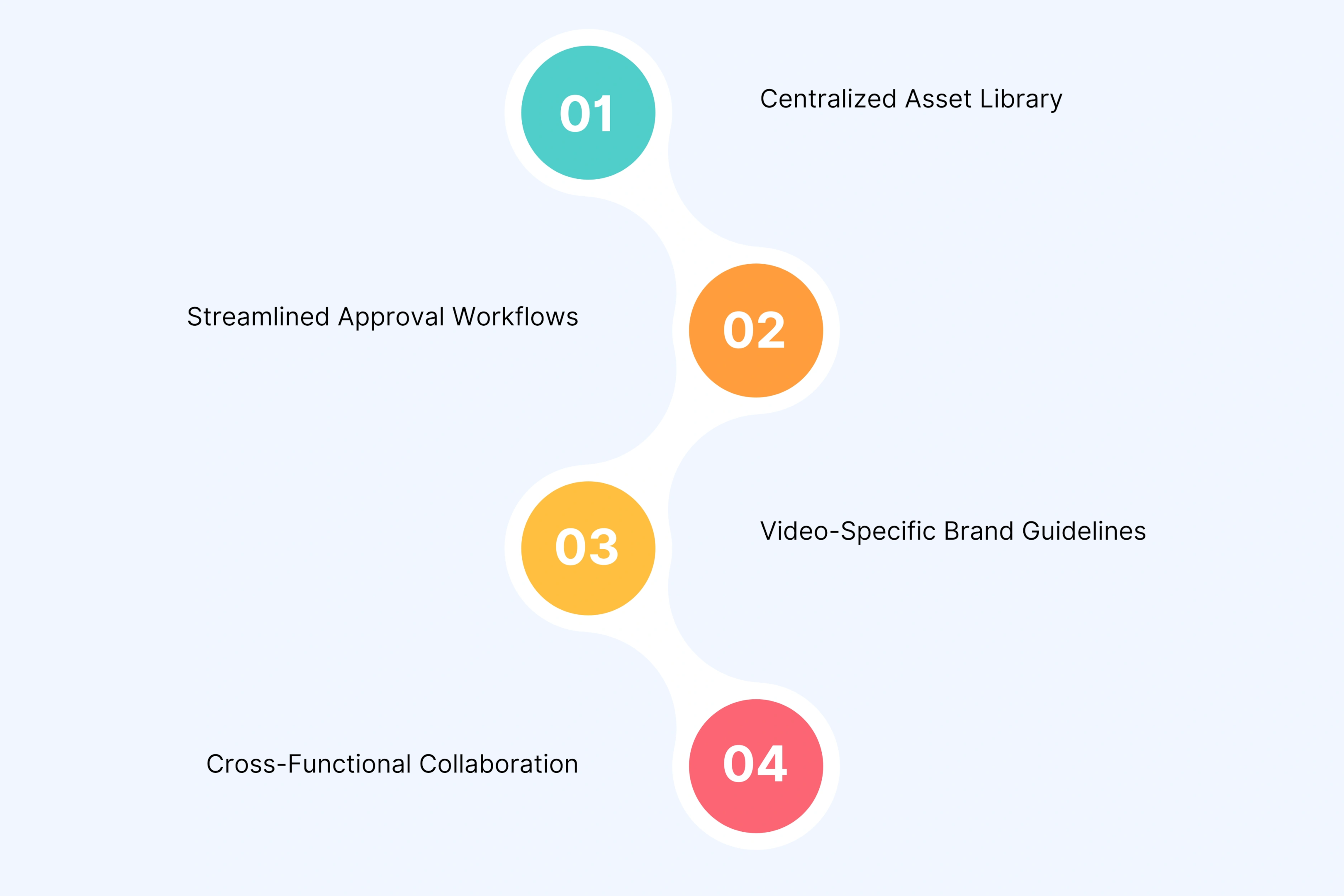
You can prevent burnout by separating strategic work from execution tasks. Senior team members focus on hooks and messaging while execution work gets delegated or partnered out.
This decision is crucial for your video marketing strategy. Here is an honest framework for deciding what works for your business.
Build in-house when:
Partner externally when:
For example, if you are creating YouTube ads or interactive content for consumers across different platforms, a creative partner can handle the technology and editing while you focus on strategy.
The hybrid approach:
Neither approach is inherently better. It depends on your constraints, timeline, volume needs, and where you want to invest long-term. The most important thing is choosing what helps you deliver quality content that meets market demand without overwhelming your company resources.
Scaling video ad production is solvable. The teams succeeding are not necessarily those with the biggest budgets. They are the ones who built systematic approaches to variation creation, testing, and optimization.
Start with one approach. Try modular asset planning for your next shoot, template systems for recurring formats, or partnering with specialists for end-to-end production. Marketers who actively use video analytics to optimize campaigns report 49% faster revenue growth.
The competitive advantage goes to brands who produce the right video content efficiently and consistently. You do not need a massive production budget. You need a smarter system.
Schedule your strategy call now to explore how a creative partner can help you scale video production without burning your budget.
Start with 10 to 15 variations focusing on different hooks and CTAs. Prioritize hook testing since the first 3 seconds determine 80% of performance. Successful brands scale to 20 to 30 variations per major campaign once their testing system is established.
Traditional production costs $900 to $4,000 per minute. Scalable approaches using modular systems or creative partners cost $300 to $1,500 per video depending on complexity. Volume unlocks better economics: 25 videos might cost $500 each versus 5 videos at $2,000 each.
Template-based systems deliver in same day to 48 hours once templates are built. Creative partner model delivers in 24 to 72 hours including strategic input. Traditional production takes 2 to 4 weeks. Speed enables rapid testing and trend response.
Performance depends on strategy, messaging, targeting, and creative hook, not production method. Short-form UGC with AI elements shows 3x higher engagement than polished studio content when strategy is solid. AI avatars work best for UGC-style content, testimonials, and explainer videos.
Track hook retention (percent watching past 3 seconds), view-through rate, click-through rate, and cost per conversion. These show whether increased volume improves actual performance. Track by variation type to identify which hooks and CTAs work best.
Test simultaneously with equal budget distribution for 7 or more days for cleanest data. Sequential testing works if budget is limited but takes longer. Run 5 to 10 variations simultaneously for major campaigns. Test 2 to 3 new variations weekly against your current champion for ongoing optimization.
Yes, through strategic partnerships or template systems. One marketing manager can oversee 25 or more videos monthly by partnering with a creative team that handles end-to-end production. Separate strategic decisions (which hooks to test, which audiences to target) from execution (creating the videos).
We are committed to safety, security, and ethical use of our service. Al avatars can only be created and shared with express consent and cannot be used to spread content that's harmful to others.



.webp)
.webp)
.webp)
We are committed to safety, security, and ethical use of our service. Al avatars can only be created and shared with express consent and cannot be used to spread content that's harmful to others.
Explore Our Solution for Effortless Video Creation

.svg)


