Dynamic Video Ads: What They Are and When They're Worth Using
Learn how dynamic video ads adapt content to viewer data, what they are, how they work, and when personalization makes sense for your campaigns.
You see ads every day. But have you noticed some ads show products you already looked at? That's dynamic video at work.
Dynamic video ads change parts of the video based on who watches it. The product shown, the text, or the voice can adapt to match your location, what you browsed, or your age group.
This sounds complex. But the idea is simple: show people what matters to them instead of the same generic message.
Here's what dynamic video actually does, how it works, and when it makes sense for your campaigns.
Key Takeaways
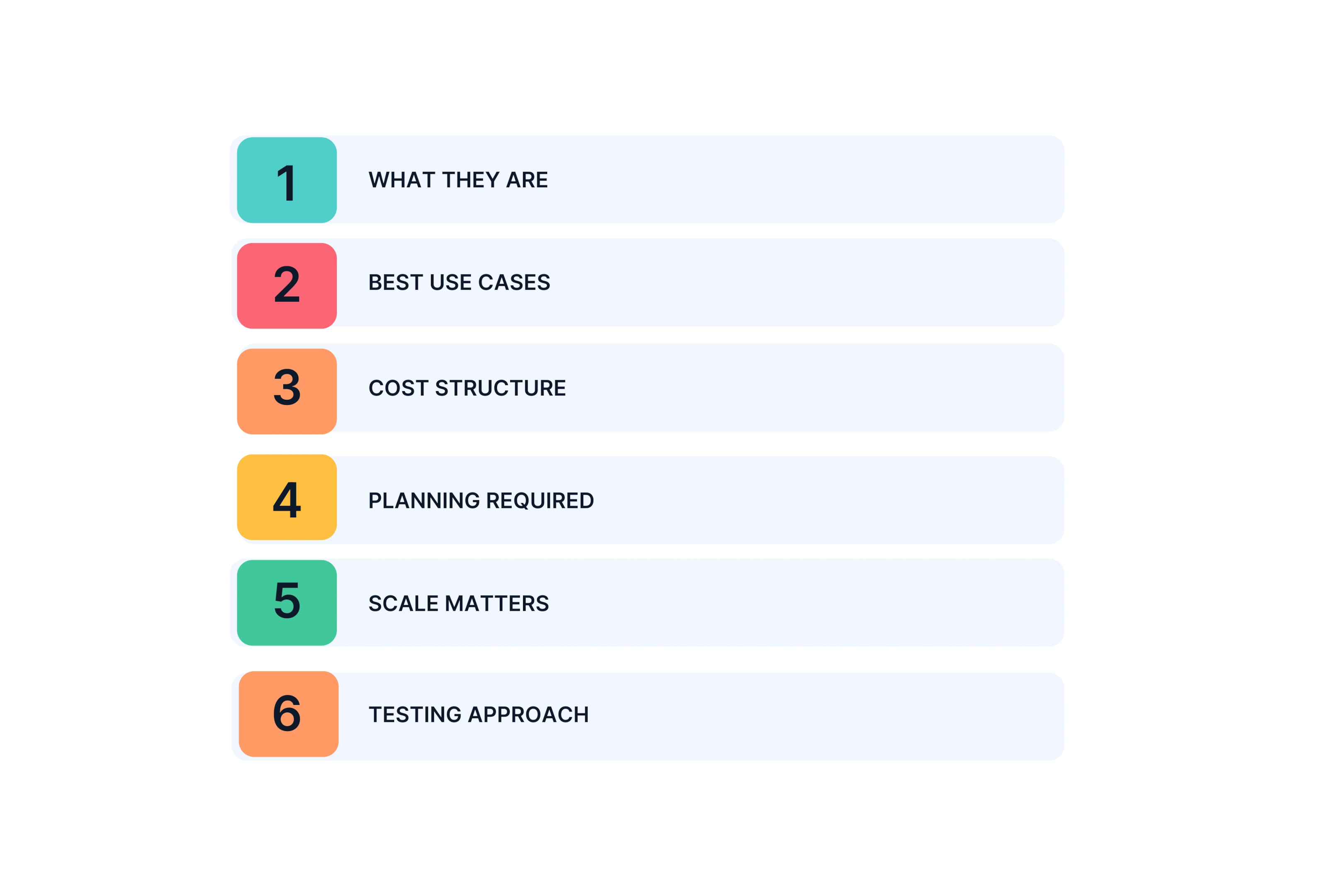
What They Are: Dynamic video ads change specific parts like products, text, or voice based on who watches. The core message stays the same.
Testing Approach: Start with 2 to 3 variations testing one variable only. Run tests for 4 to 6 weeks. Scale only if you see clear performance gains.
What Dynamic Video Ads Actually Are
Dynamic video ads adapt certain elements based on viewer information. Think of it like a template where some parts change while others stay locked.
A fashion brand might show sneakers to someone who browsed shoes and jackets to someone who looked at outerwear. Same video structure. Different products.
Static vs. Dynamic:
Static ads show everyone identical content
Dynamic ads keep the brand message consistent but swap contextual details
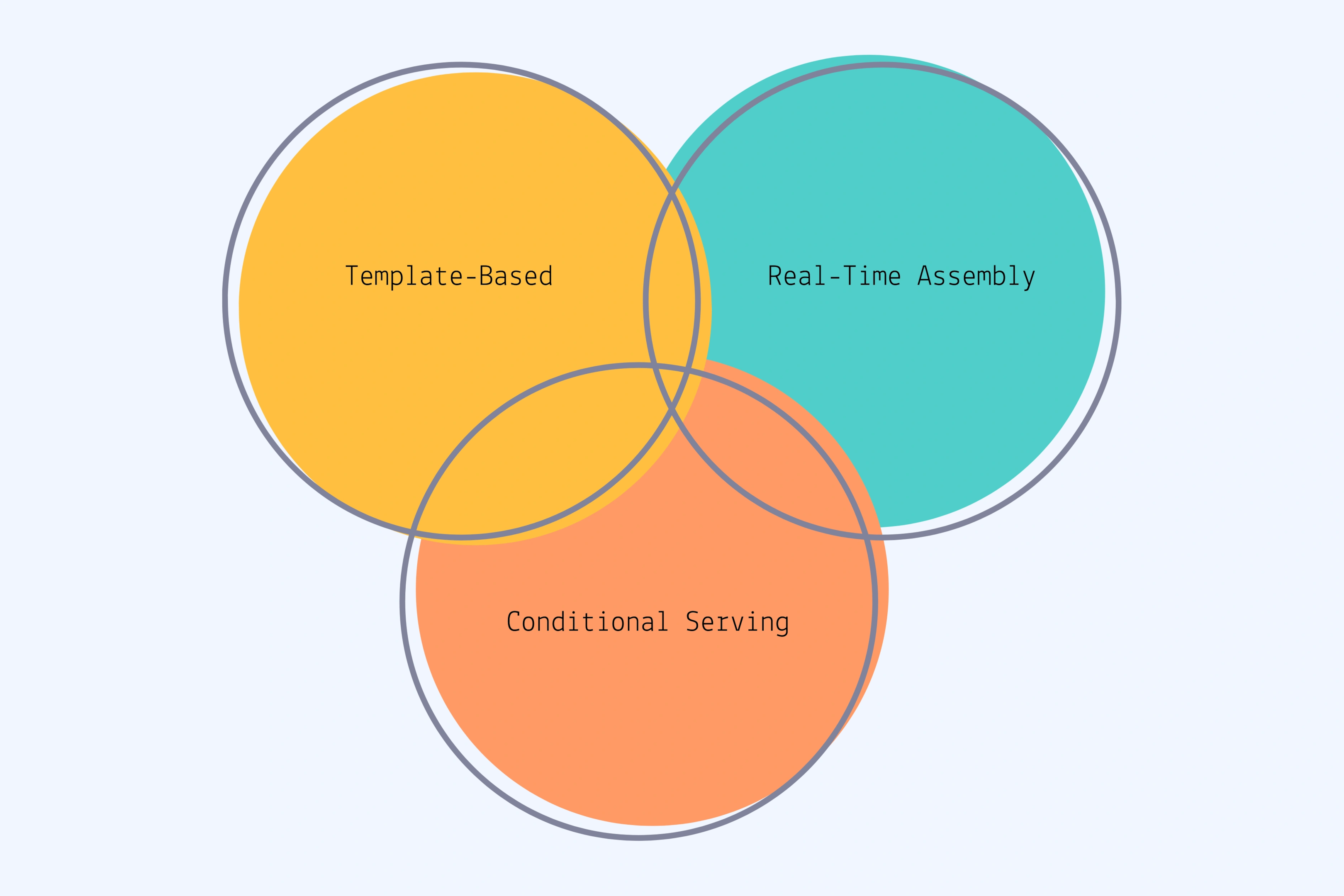
Three Main Approaches:
Template-Based: Products or text change in specific spots. Most ecommerce brands use this method.
Real-Time Assembly: Video clips combine automatically based on viewer data when the ad loads.
Conditional Serving: Complete videos already exist. The system picks which one to show based on audience rules.
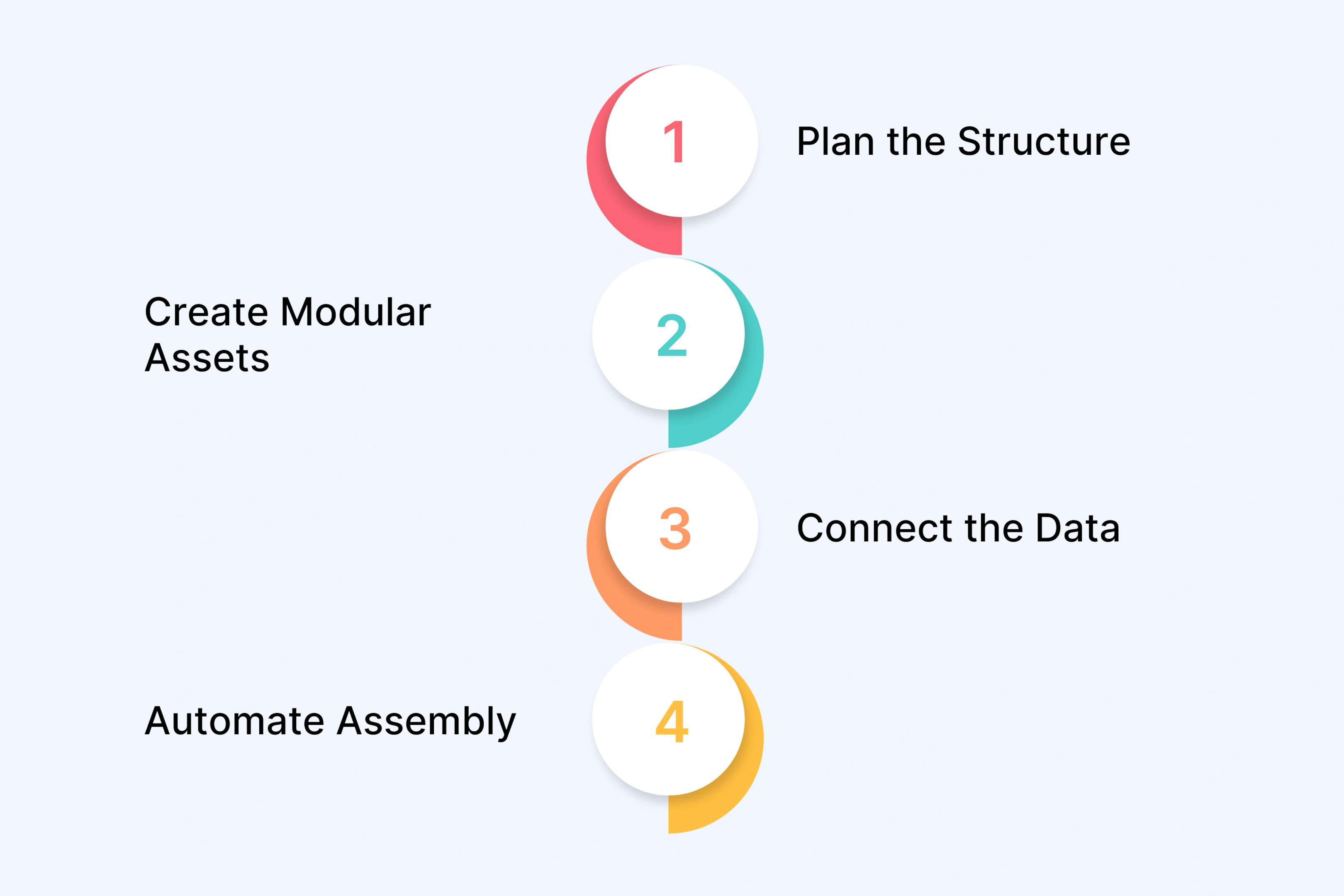
Dynamic video advertising follows a clear production path. Here's how brands create dynamic video ad campaigns that automatically adapt to viewer context.
Step 1: Plan the Structure
Decide what stays consistent and what changes. Your brand voice, video format, and core message should remain fixed across all versions. The product shown, location references, and offers can vary based on user behavior.
This planning step gives you complete creative control. You set the rules before any video production starts.
Step 2: Create Modular Assets
Produce your base video with intro sequences, transitions, and closing frames. Then create individual assets for the parts that change. This includes product images from your product feed, text overlays with different offers, and voiceover options for various custom audiences.
Think of it as building with blocks. Each block works independently but fits the overall video format.
Step 3: Connect the Data
Link your product catalog to show relevant items. Connect user demographics to choose the right ai spokesperson or avatar. Use browsing history and previous interactions to personalize product recommendations.
This contextual data powers the personalization. The system pulls from your e commerce platform, CRM, and ad platform data.
Step 4: Automate Assembly
The delivery system combines creative assets based on viewer profile. Some brands pre-render all combinations. Others use real time assembly with VAST tags to build videos on the fly across different platforms.
Real Example:
A fashion retailer creates one single video master for 500 products. When someone who viewed sneakers sees the ad, sneakers appear. Someone who browsed jackets sees jackets. Same brand story. Different product. No need to create hundreds of separate videos manually.
This marketing tool lets you scale personalized video production without extra cost per variation.
Real Campaign Examples (How Brands Structure This)
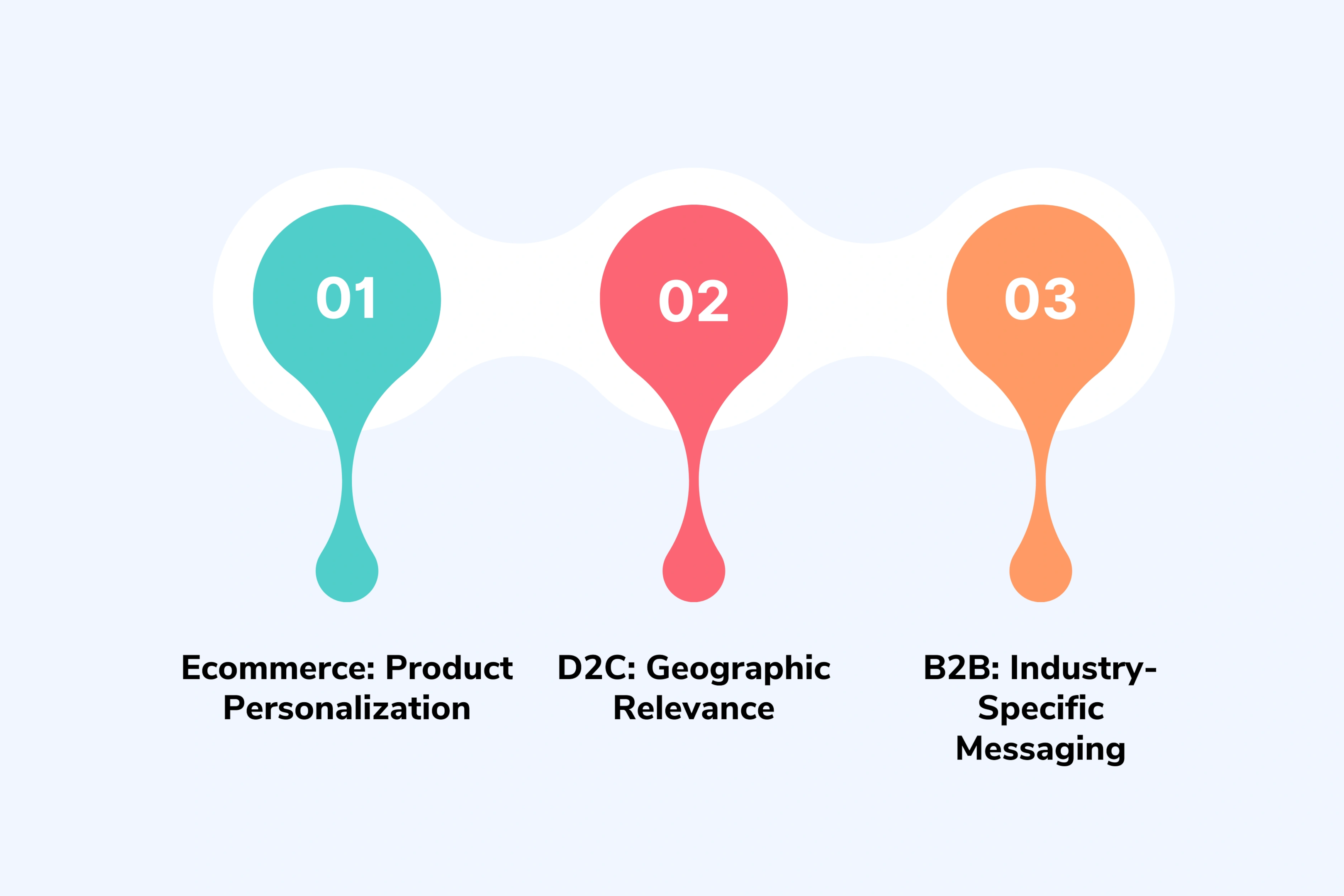
Seeing how other brands build dynamic video campaigns makes the concept clearer. Here are three common structures across different business types.
Ecommerce: Product Personalization
An online retailer creates one lifestyle video that adapts based on browsing history. The structure flows from lifestyle scene to product showcase to call to action.
What Changes:
Specific product from the catalog
Price or promotional offer
Product name in text overlay
What Stays Fixed:
Brand setting and visual style
Core message about quality or convenience
Production quality and video format
Scale Example: 500 products multiplied by 3 different audiences creates 1,500 variations from one base video. Someone who viewed running shoes sees athletic gear. Someone who browsed formal wear sees dress shoes.
D2C: Geographic Relevance
A direct to consumer brand uses location data to create local campaign relevance. The video moves from problem statement to solution demonstration to local store information.
Scale Example: 12 regional versions multiplied by 4 seasonal updates equals 48 variations. Viewers in Miami see summer skincare. Viewers in Chicago see winter protection formulas.
B2B: Industry-Specific Messaging
A software company tailors messaging to different business verticals. The structure shows software demo, then industry use case, then customer testimonial.
What Changes:
Industry-specific pain points
Customer logos from matching sectors
Metrics that matter to that vertical
What Stays Fixed:
Product interface walkthrough
Core feature set
Company credibility markers
Scale Example: 8 industries multiplied by 3 company sizes creates 24 targeted variations. Manufacturing prospects see factory use cases. Healthcare prospects see compliance features.
Why Marketers Use Dynamic Video (Real Benefits)
Dynamic video advertising delivers measurable improvements in online advertising performance. Here's what brands actually gain from this video marketing approach.
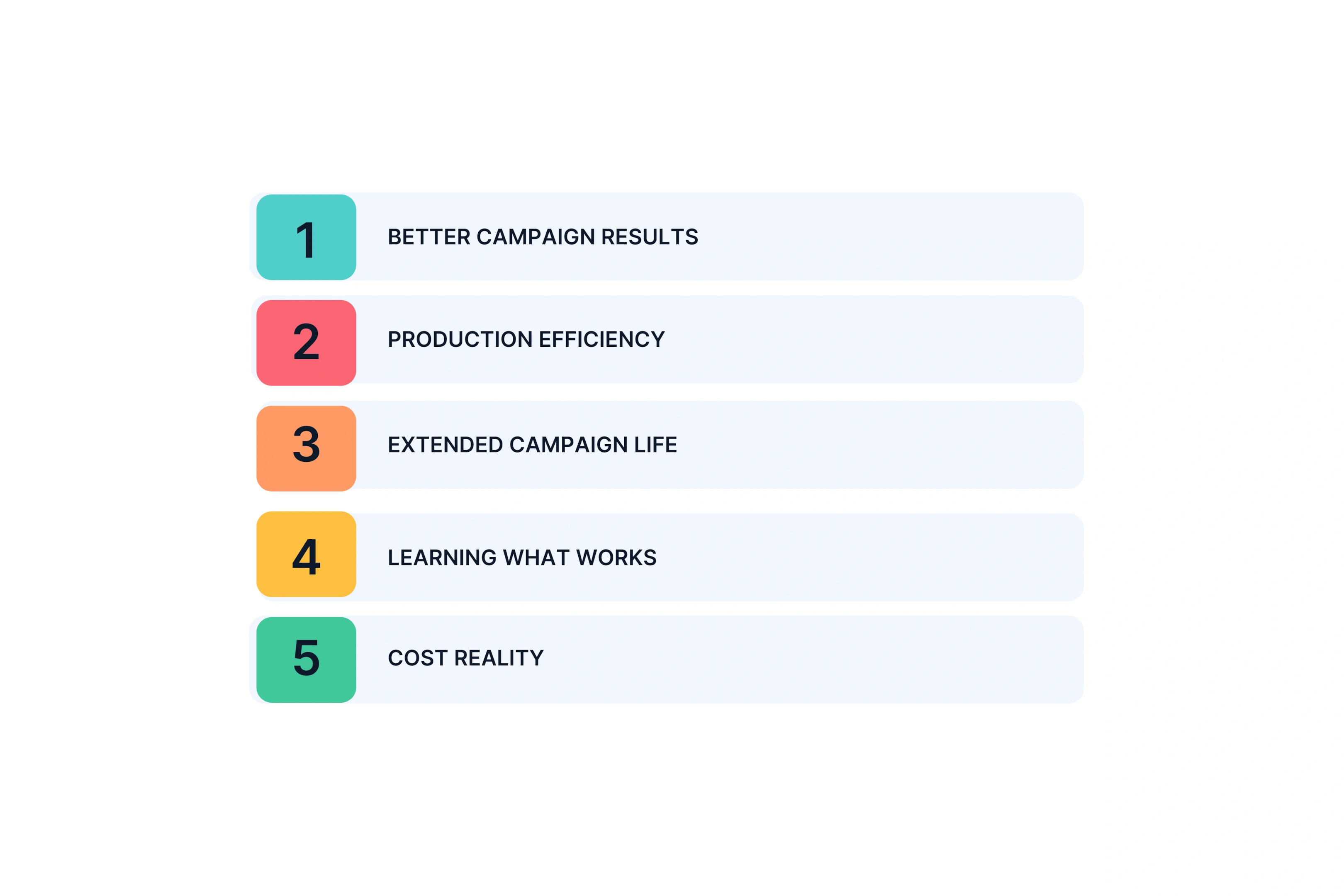
Better Campaign Results
When you show products from your product feed based on what customers already viewed, click-through rates jump 20 to 40 percent compared to generic video ads. This creates relevant experiences that match user intent.
Setup requires more investment upfront. But per-variation costs drop fast. Most brands break even around 5 to 10 variations. After that, dynamic creative optimization becomes a powerful tool for higher ROI in your campaigns.
Common Mistakes (and How to Avoid Them)
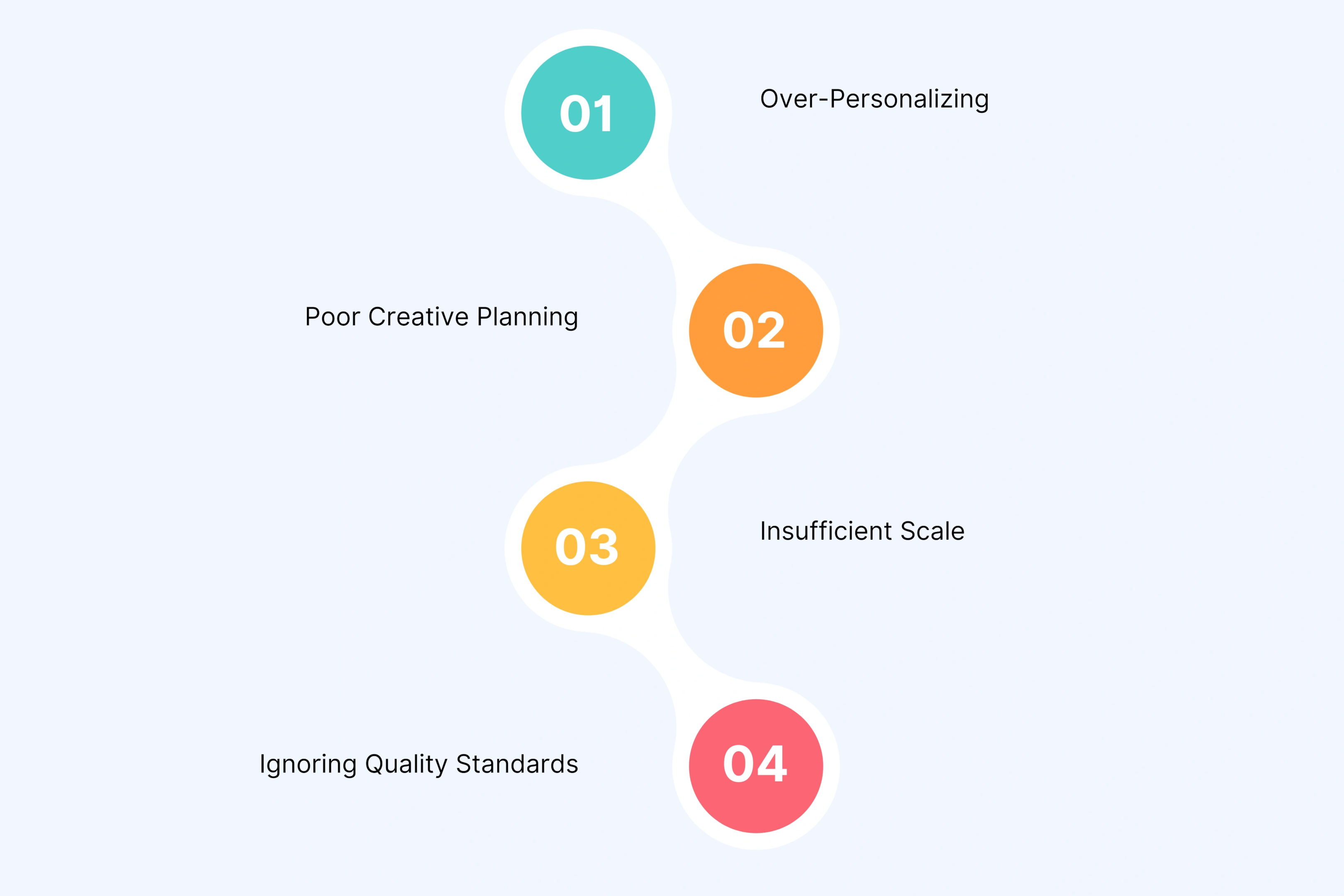
Dynamic video ads fail when brands ignore basic planning rules. Here are the four biggest mistakes and how to avoid each one.
Over-Personalizing
Brands get excited about dynamic video technology and try to change everything at once. This creates brand confusion.
The Problem:
Varying product AND spokesperson AND location AND message simultaneously
Different versions look like completely different brands
Customers do not recognize your brand across touchpoints
The Fix: Start with one variable only. Test product variations first. Or test message variations. Not both. Keep your brand voice and visual style consistent across all dynamic video ads.
Poor Creative Planning
Many marketers try to retrofit existing video content into dynamic systems after production wraps. This rarely works.
The Problem:
Realizing mid-project that key elements cannot swap cleanly
Awkward cuts where products change
Having to reshoot expensive footage
The Fix: Plan your modular structure before any cameras roll. Map out exactly which moments stay fixed and which adapt. Use predefined templates that account for variable creative elements from day one. A creative partner experienced in dynamic production can help structure this correctly.
Insufficient Scale
Running 20 different versions with only 5,000 total impressions fragments your data. You cannot learn what works with sample sizes that small.
The Fix: Fewer variations tested properly beats many variations with insufficient traffic. Start with 2 to 3 versions if your campaign is small. Scale to more variations only when you have 100,000 plus impressions to work with. This lets machine learning and optimization actually function.
Ignoring Quality Standards
Some brands assume automated assembly means lower quality is acceptable. Customers notice poor quality instantly.
The Problem:
Pixelated product images from your catalog
Mismatched lighting across different videos
Audio quality drops in certain variations
The Fix: Every variation must meet identical quality standards. Review each version before launch. Use high resolution images. Match color grading. Test on mobile devices where most people watch video ads. Quality directly impacts whether dynamic video ads increase engagement or hurt your brand.
Measure the right data to know if your dynamic video ads actually work better than static versions.
Primary Metrics:
Click-through rates for each variation
Conversion rates by version
Cost per result across all ads
Insight Metrics:
Which variables drive performance differences
How each audience segment responds
Dynamic versus static comparison with a control group
Always run static ads alongside dynamic versions to compare results fairly. If your dynamic campaigns do not outperform static by 15 percent or more, investigate the cause before you scale. Poor performance often signals weak creative planning or insufficient audience data.
What This Means for Scaling Video Content
Dynamic video works for specific situations like performance marketing, product-heavy ad campaigns, and multi-audience targeting. It does not replace static video content.
Static videos build brands through consistent storytelling. Dynamic videos drive conversions at scale when you have multiple products and target audiences.
Most brands use both approaches. Static for awareness campaigns. Dynamic for retargeting and conversion goals.
Start with one successful static campaign. Create 2 to 3 dynamic variations. Test for 4 to 6 weeks. Scale only when your data shows clear improvement.
Personalization is not the goal. Relevance is. And relevance drives results.
Ready to explore dynamic video for your campaigns?Schedule your strategy call now to discuss how personalized video production at scale fits your marketing goals.
FAQ's
What is the difference between dynamic video ads and static ads?
Static ads display identical content to every viewer. Dynamic video ads automatically adapt specific elements based on viewer data such as demographics, browsing history, or location. The core brand message stays consistent while products shown, text overlays, or voiceovers change to match the viewer.
How much do dynamic video ads cost?
Initial setup ranges from $15,000 to $75,000 depending on complexity. Each additional variation costs $100 to $1,000 compared to $5,000 to $50,000 for creating separate traditional videos. Dynamic video becomes cost effective when you need 5 or more variations.
What platforms support dynamic video ads?
Meta platforms including Facebook and Instagram, Google including YouTube, TikTok, LinkedIn, connected TV platforms, and programmatic advertising networks all support dynamic video. Check technical requirements for each platform before production starts.
How long does it take to create dynamic video ads?
Initial setup takes 1 to 3 weeks for strategy, base video production, and modular asset creation. Once the system is built, additional variations take hours to days instead of weeks for traditional video production.
Can small brands use dynamic video ads effectively?
Yes. Brand size matters less than campaign structure and scale. Small brands with multiple products and distinct audience segments can benefit from dynamic video. You need sufficient product catalog depth and audience data to make personalization worth the setup investment.
Let's Turn Your Scripts into Stunning Videos. Sign Up Now.
Stop struggling with video creation. Our AI simplifies the process, letting you create professional-looking videos from text in record time. Try it for free today!
You see ads every day. But have you noticed some ads show products you already looked at? That's dynamic video at work.
Dynamic video ads change parts of the video based on who watches it. The product shown, the text, or the voice can adapt to match your location, what you browsed, or your age group.
This sounds complex. But the idea is simple: show people what matters to them instead of the same generic message.
Here's what dynamic video actually does, how it works, and when it makes sense for your campaigns.
Key Takeaways
What They Are: Dynamic video ads change specific parts like products, text, or voice based on who watches. The core message stays the same.
Testing Approach: Start with 2 to 3 variations testing one variable only. Run tests for 4 to 6 weeks. Scale only if you see clear performance gains.
What Dynamic Video Ads Actually Are
Dynamic video ads adapt certain elements based on viewer information. Think of it like a template where some parts change while others stay locked.
A fashion brand might show sneakers to someone who browsed shoes and jackets to someone who looked at outerwear. Same video structure. Different products.
Static vs. Dynamic:
Static ads show everyone identical content
Dynamic ads keep the brand message consistent but swap contextual details
Three Main Approaches:
Template-Based: Products or text change in specific spots. Most ecommerce brands use this method.
Real-Time Assembly: Video clips combine automatically based on viewer data when the ad loads.
Conditional Serving: Complete videos already exist. The system picks which one to show based on audience rules.
Dynamic video advertising follows a clear production path. Here's how brands create dynamic video ad campaigns that automatically adapt to viewer context.
Step 1: Plan the Structure
Decide what stays consistent and what changes. Your brand voice, video format, and core message should remain fixed across all versions. The product shown, location references, and offers can vary based on user behavior.
This planning step gives you complete creative control. You set the rules before any video production starts.
Step 2: Create Modular Assets
Produce your base video with intro sequences, transitions, and closing frames. Then create individual assets for the parts that change. This includes product images from your product feed, text overlays with different offers, and voiceover options for various custom audiences.
Think of it as building with blocks. Each block works independently but fits the overall video format.
Step 3: Connect the Data
Link your product catalog to show relevant items. Connect user demographics to choose the right ai spokesperson or avatar. Use browsing history and previous interactions to personalize product recommendations.
This contextual data powers the personalization. The system pulls from your e commerce platform, CRM, and ad platform data.
Step 4: Automate Assembly
The delivery system combines creative assets based on viewer profile. Some brands pre-render all combinations. Others use real time assembly with VAST tags to build videos on the fly across different platforms.
Real Example:
A fashion retailer creates one single video master for 500 products. When someone who viewed sneakers sees the ad, sneakers appear. Someone who browsed jackets sees jackets. Same brand story. Different product. No need to create hundreds of separate videos manually.
This marketing tool lets you scale personalized video production without extra cost per variation.
Real Campaign Examples (How Brands Structure This)
Seeing how other brands build dynamic video campaigns makes the concept clearer. Here are three common structures across different business types.
Ecommerce: Product Personalization
An online retailer creates one lifestyle video that adapts based on browsing history. The structure flows from lifestyle scene to product showcase to call to action.
What Changes:
Specific product from the catalog
Price or promotional offer
Product name in text overlay
What Stays Fixed:
Brand setting and visual style
Core message about quality or convenience
Production quality and video format
Scale Example: 500 products multiplied by 3 different audiences creates 1,500 variations from one base video. Someone who viewed running shoes sees athletic gear. Someone who browsed formal wear sees dress shoes.
D2C: Geographic Relevance
A direct to consumer brand uses location data to create local campaign relevance. The video moves from problem statement to solution demonstration to local store information.
Scale Example: 12 regional versions multiplied by 4 seasonal updates equals 48 variations. Viewers in Miami see summer skincare. Viewers in Chicago see winter protection formulas.
B2B: Industry-Specific Messaging
A software company tailors messaging to different business verticals. The structure shows software demo, then industry use case, then customer testimonial.
What Changes:
Industry-specific pain points
Customer logos from matching sectors
Metrics that matter to that vertical
What Stays Fixed:
Product interface walkthrough
Core feature set
Company credibility markers
Scale Example: 8 industries multiplied by 3 company sizes creates 24 targeted variations. Manufacturing prospects see factory use cases. Healthcare prospects see compliance features.
Why Marketers Use Dynamic Video (Real Benefits)
Dynamic video advertising delivers measurable improvements in online advertising performance. Here's what brands actually gain from this video marketing approach.
Better Campaign Results
When you show products from your product feed based on what customers already viewed, click-through rates jump 20 to 40 percent compared to generic video ads. This creates relevant experiences that match user intent.
Setup requires more investment upfront. But per-variation costs drop fast. Most brands break even around 5 to 10 variations. After that, dynamic creative optimization becomes a powerful tool for higher ROI in your campaigns.
Common Mistakes (and How to Avoid Them)
Dynamic video ads fail when brands ignore basic planning rules. Here are the four biggest mistakes and how to avoid each one.
Over-Personalizing
Brands get excited about dynamic video technology and try to change everything at once. This creates brand confusion.
The Problem:
Varying product AND spokesperson AND location AND message simultaneously
Different versions look like completely different brands
Customers do not recognize your brand across touchpoints
The Fix: Start with one variable only. Test product variations first. Or test message variations. Not both. Keep your brand voice and visual style consistent across all dynamic video ads.
Poor Creative Planning
Many marketers try to retrofit existing video content into dynamic systems after production wraps. This rarely works.
The Problem:
Realizing mid-project that key elements cannot swap cleanly
Awkward cuts where products change
Having to reshoot expensive footage
The Fix: Plan your modular structure before any cameras roll. Map out exactly which moments stay fixed and which adapt. Use predefined templates that account for variable creative elements from day one. A creative partner experienced in dynamic production can help structure this correctly.
Insufficient Scale
Running 20 different versions with only 5,000 total impressions fragments your data. You cannot learn what works with sample sizes that small.
The Fix: Fewer variations tested properly beats many variations with insufficient traffic. Start with 2 to 3 versions if your campaign is small. Scale to more variations only when you have 100,000 plus impressions to work with. This lets machine learning and optimization actually function.
Ignoring Quality Standards
Some brands assume automated assembly means lower quality is acceptable. Customers notice poor quality instantly.
The Problem:
Pixelated product images from your catalog
Mismatched lighting across different videos
Audio quality drops in certain variations
The Fix: Every variation must meet identical quality standards. Review each version before launch. Use high resolution images. Match color grading. Test on mobile devices where most people watch video ads. Quality directly impacts whether dynamic video ads increase engagement or hurt your brand.
Measure the right data to know if your dynamic video ads actually work better than static versions.
Primary Metrics:
Click-through rates for each variation
Conversion rates by version
Cost per result across all ads
Insight Metrics:
Which variables drive performance differences
How each audience segment responds
Dynamic versus static comparison with a control group
Always run static ads alongside dynamic versions to compare results fairly. If your dynamic campaigns do not outperform static by 15 percent or more, investigate the cause before you scale. Poor performance often signals weak creative planning or insufficient audience data.
What This Means for Scaling Video Content
Dynamic video works for specific situations like performance marketing, product-heavy ad campaigns, and multi-audience targeting. It does not replace static video content.
Static videos build brands through consistent storytelling. Dynamic videos drive conversions at scale when you have multiple products and target audiences.
Most brands use both approaches. Static for awareness campaigns. Dynamic for retargeting and conversion goals.
Start with one successful static campaign. Create 2 to 3 dynamic variations. Test for 4 to 6 weeks. Scale only when your data shows clear improvement.
Personalization is not the goal. Relevance is. And relevance drives results.
Ready to explore dynamic video for your campaigns?Schedule your strategy call now to discuss how personalized video production at scale fits your marketing goals.
FAQ's
What is the difference between dynamic video ads and static ads?
Static ads display identical content to every viewer. Dynamic video ads automatically adapt specific elements based on viewer data such as demographics, browsing history, or location. The core brand message stays consistent while products shown, text overlays, or voiceovers change to match the viewer.
How much do dynamic video ads cost?
Initial setup ranges from $15,000 to $75,000 depending on complexity. Each additional variation costs $100 to $1,000 compared to $5,000 to $50,000 for creating separate traditional videos. Dynamic video becomes cost effective when you need 5 or more variations.
What platforms support dynamic video ads?
Meta platforms including Facebook and Instagram, Google including YouTube, TikTok, LinkedIn, connected TV platforms, and programmatic advertising networks all support dynamic video. Check technical requirements for each platform before production starts.
How long does it take to create dynamic video ads?
Initial setup takes 1 to 3 weeks for strategy, base video production, and modular asset creation. Once the system is built, additional variations take hours to days instead of weeks for traditional video production.
Can small brands use dynamic video ads effectively?
Yes. Brand size matters less than campaign structure and scale. Small brands with multiple products and distinct audience segments can benefit from dynamic video. You need sufficient product catalog depth and audience data to make personalization worth the setup investment.
We are committed to safety, security, and ethical use of our service. Al avatars can only be created and shared with express consent and cannot be used to spread content that's harmful to others.
December 23, 2025
How to Scale Video Ad Production Without the Traditional Bottlenecks
Learn how teams produce 20-30 video ad variations per campaign without massive budgets. Practical strategies for scaling video production that actually work.
Short-Form Video Ads: Why Most Fail in 7 Days (And How to Win)
Most short-form video ads lose 50% performance in 7 days. Learn the attention patterns, variation strategies, and platform tactics that sustain results.
How to Scale UGC Video Ads Without Losing Authenticity (or Your Budget)
UGC video ads drive conversions, but scaling them is expensive and slow. Learn how brands test multiple hooks, maintain authenticity, and reduce ad spend without creator dependency.
Avatar Marketing: Which One Do You Actually Need? (And How to Know)
Avatar marketing can mean digital AI characters OR customer profiling. Learn which one you need, when each works, and how to avoid costly mistakes in your strategy.
We are committed to safety, security, and ethical use of our service. Al avatars can only be created and shared with express consent and cannot be used to spread content that's harmful to others.
Data Encryption
Your data is encrypted both in transit and at rest, ensuring safe and confidential communications at all times.
Privacy Compliance
Our platform adheres to GDPR, CCPA, and SOC 2, safeguarding your data with strict security protocols.
Identity Verification
We use identity checks to ensure only authorized individuals access your account and data.
24/7 Monitoring
Our system continuously monitors for vulnerabilities, keeping your data safe from potential risks.




.webp)


.svg)
.svg)
%201.svg)

.webp)
.webp)


.svg)
