How AI Changes Brand Storytelling in 2025: Strategies, Data & Real-World Results
Discover how 200+ brands are using AI to revolutionize storytelling. Expert insights, performance data, case studies, and a practical framework to blend AI with human creativity authentically.
AI is changing how brands tell stories. You can now create videos that feel personal without spending months in production. You can test different messages fast. And you can reach more people with content that actually connects.
This guide shows you how AI works in brand storytelling today. You will see real examples, honest challenges, and practical steps you can use right away. We cover generative AI, personalized video, and how to keep your brand voice strong when you scale content production.
If you want to create better stories faster, this is for you.
Key Takeaways
Personalization scales now: You can create thousands of unique videos for different customers without losing quality or brand voice.
Speed matters more: Brands that deliver content in days instead of months win attention before competitors even start production.
Humans still lead: AI handles repetitive work. Your team focuses on strategy, creativity, and making sure content feels authentic.
Testing beats guessing: Create multiple video versions fast. Let your audience data show you what actually works.
Partnership over tools: Working with creative partners who deliver finished videos often beats buying tools you have to learn and manage yourself.
Transparency builds trust: When you are honest about using AI, customers respect your brand more. Hiding it creates problems later.
State of AI in Brand Storytelling: 2025 Data Insights
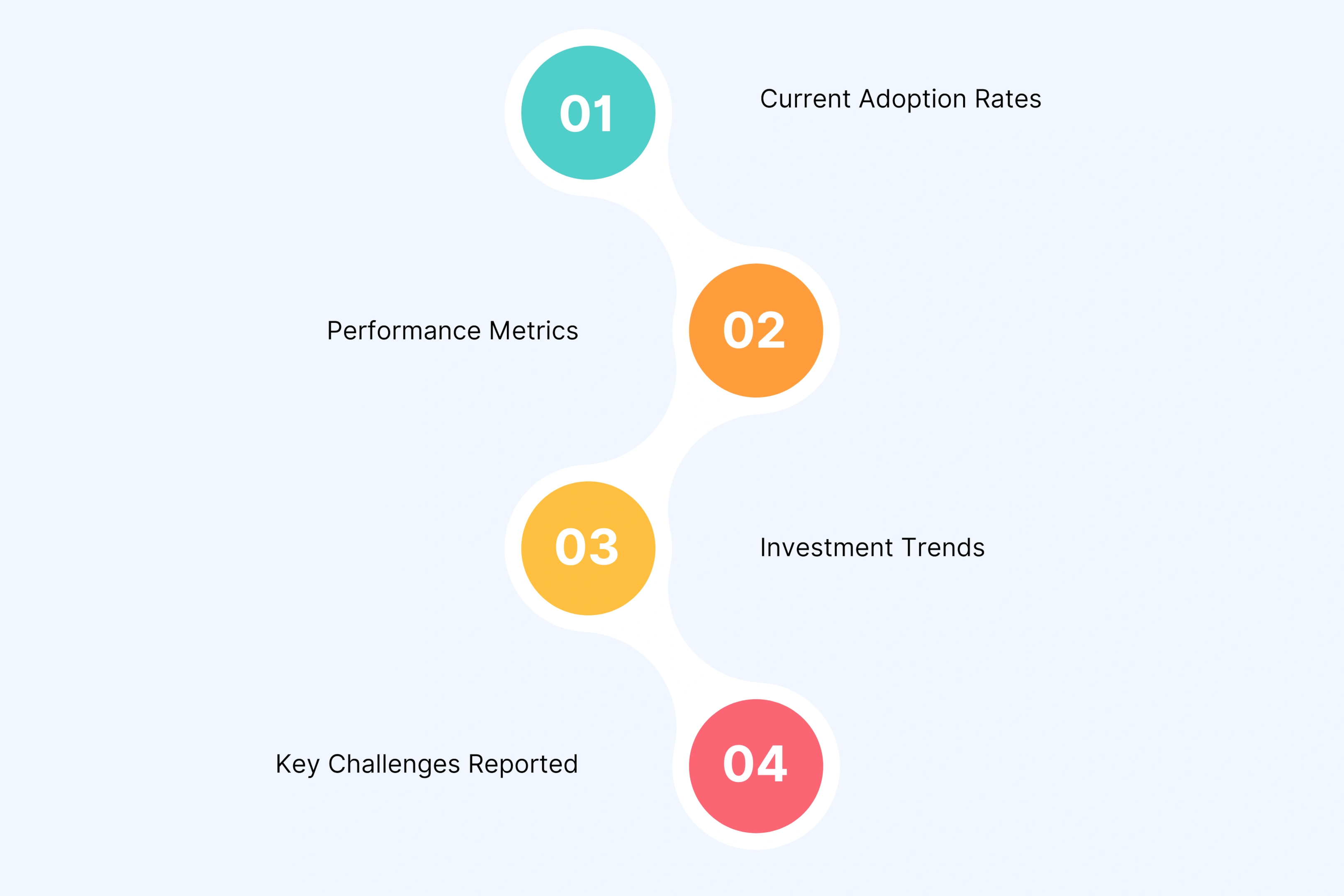
AI is no longer experimental. Nine out of ten marketing teams now use AI somewhere in their content process. The numbers show clear patterns in how brands adopt AI, what works, and where teams hit roadblocks.
Practical guidance for 2025 suggests putting roughly 40% of AI marketing budgets into core tools like content platforms, marketing automation, analytics, and customer service. The rest goes to implementation, data work, and training.
Some large companies now attribute over 40% of their annual revenue growth to AI driven marketing strategies. Executives increasingly view AI as a strategic line item tied directly to revenue.
AI driven attribution and optimization models deliver about 1.6 times better marketing ROI than traditional approaches. Better targeting, creative testing, and budget allocation drive the improvement.
The most common challenges are integration with existing systems, data privacy and security, and ongoing monitoring of AI driven experiences.
Spending heavily on tools but too little on implementation and training leads to failure rates above 60%. Data preparation alone can delay projects by 6 to 12 months when not funded properly.
The data is clear. AI works when you invest in implementation, not just tools. Teams that pair AI with human oversight see the best results. Speed and personalization drive measurable gains in engagement, conversions, and revenue.
But technology alone does not solve storytelling problems. You still need strategy, brand voice, and quality control. The brands winning with AI treat it as a partner in the creative process, not a replacement for creative thinking.
Why Generative AI Matters in Brand Storytelling
Brand storytelling used to be one message sent to everyone. You created an ad or campaign and hoped it landed with your audience.
Generative AI changes that model completely. Now you can create personalized stories for different customers without losing your brand voice.
Here is what generative AI does for storytelling:
Processes customer data at scale: AI systems analyze purchase history, browsing behavior, and preferences across thousands of customers. You see patterns humans would miss.
Predicts what customers need next: Machine learning looks at past behavior and predicts future needs. Your content strategy becomes proactive instead of reactive.
Maintains brand identity across variations: You can create hundreds of personalized video versions while keeping your brand voice consistent. Each customer gets a story that feels made for them.
Turns data into narrative: Unstructured data like customer reviews, support tickets, and social comments become insights that shape better stories.
The result is simple. You connect with diverse audiences through stories that feel relevant. Your brand stays consistent even as your content adapts to different customer segments.
This is why teams are moving from broadcast storytelling to conversational narratives that respond to individual customer behavior.
How AI is Changing Brand Storytelling
AI is not replacing creative work. It is expanding what you can do with your stories and how fast you can deliver them to customers.
Creating Powerful Hybrid Experiences
Brands now blend artificial intelligence with human imagination to create experiences that feel real and digital at the same time.
Here is what hybrid experiences look like:
AI generated visuals combined with real world product shots
Virtual models wearing actual products in photorealistic settings
Augmented reality that lets customers interact with products before buying
Digital and physical touchpoints working together in one narrative
When you leverage AI this way, you give customers compelling narratives that feel both innovative and authentic.
Enabling Interactive Storytelling
AI powered chatbots turn one way messages into two way conversations. Your audience stops passively watching and starts actively participating.
This interaction does more than answer questions:
Gathers real time insights about what customers actually want
Adapts content based on individual behavior and preferences
Builds stronger customer engagement through personalized responses
Creates loyal customers by making them feel heard
Generative AI makes these conversations feel natural. The customer experience improves because responses adapt to context, not just keywords.
Providing Real Time Responsive Experiences
Social media posts can now adjust based on trending topics the moment they emerge. Personalized content evolves as user behavior changes.
This rapid pace keeps your brand relevant:
Content shifts to match trending topics instantly
Narratives adapt based on real time customer behavior
Messages stay resonant because they respond to what is happening now
You stop relying only on what you planned weeks ago
AI processes real time data and adjusts your storytelling to match the moment.
Blending Automation with Human Touch
Here is where most brands get it wrong. They either use only creative tools with no AI, or they let AI run everything.
The right approach balances both. AI handles data driven tasks, repetitive content production, and analysis. Your creative team provides emotional depth, strategic direction, and brand integrity.
AI lacks the human judgment needed for authentic storytelling. Human oversight ensures AI generated content maintains your brand voice and connects meaningfully with target audiences. This is how AI changes brand storytelling without losing what makes your brand yours.
What Marketing Leaders Are Saying: Expert Perspectives
Leaders across industries are testing AI in real campaigns. Here is what they learned about creativity, authenticity, and results.
On AI's Role in Creativity
Todd Ariss, Founder and CEO of GoDark Bags, puts it simply: "AI isn't here to replace our team but to amplify what makes us exceptional. It helps us think bigger, move faster, and serve smarter, without losing our human touch. AI smooths out workflows and frees us to focus on building trust and growing the brand."
The pattern is clear. AI handles the repetitive work so creative teams can focus on strategy and brand building.
On Maintaining Authenticity
A marketing leader from a B2B brand warns about over reliance: "Authentic brands that master human-machine collaboration will win. Machines support creation, but they cannot replace the human dimension of voice. Investing in voice systems and governance is critical to preserve brand coherence and trust in the AI era."
Your brand voice is not something you can automate completely. You need systems that keep AI outputs aligned with how your brand actually sounds.
On Future Trends
Megh Gautam, Chief Product Officer at Crunchbase, sees a shift coming: "In 2025, AI investments will shift decisively from experimentation to execution. We'll see the rise of AI agents handling operational tasks and adoption of AI tools that drive measurable improvements in sales optimization and customer support automation."
The experimental phase is ending. Teams now expect AI to deliver clear business results, not just interesting demos.
AI generates content. Humans create meaning. That distinction matters more as AI becomes more capable.
What this means for your brand
These leaders agree on one thing. AI works best when it supports human creativity, not when it tries to replace it. The brands seeing results use AI for speed and scale while keeping humans in charge of strategy, voice, and emotional connection.
Audience Perceptions: Originality, Authenticity, and Value of AI-Generated Works
Your audience notices when you use AI. What matters is how you use it.
Curiosity and Engagement
AI content grabs attention fast. People want to see what artificial intelligence can do.
The numbers show this curiosity:
AI art and videos get more clicks at first
Customers spend more time on interactive AI experiences
The novelty works. But it does not last long. You still need good content behind the tech.
Skepticism on Originality and Value
Not everyone trusts AI generated content. Some people think AI is a shortcut that removes real creativity.
Survey data shows split reactions. Younger audiences care less about who made it. Older people question if it is original. B2B buyers worry about quality. D2C customers just want content that helps them.
The doubt is not really about AI. It is about whether you use AI to cut corners or make things better.
Authenticity and Trust Concerns
Trust breaks when AI feels like you replaced humans with robots. Customers want to know a real person gets their needs.
What keeps trust strong:
Be honest about when you use AI
Let humans check that your brand voice stays consistent
Have real people available for complex questions
Make content feel personal, not mass produced
Loyal customers stick around when they feel you care. AI can help you care at scale. But humans must lead that process.
The Verdict: What Actually Resonates
Your audience cares about results, not tech specs. Does your content help them? Does it entertain them? Does it solve their problem?
The answer is simple. Use AI for speed and personalization. Let humans add emotion and strategy. Tell people how you work. Focus on value.
Brands that balance this right see better engagement and stronger loyalty. Brands that automate everything lose the human connection that builds relationships.
People do not hate AI. They hate content that feels fake, lazy, or dishonest. Get the balance right and AI helps you win.
Accessibility and Brand Storytelling
AI has opened doors that used to be locked for small teams and individual creators.
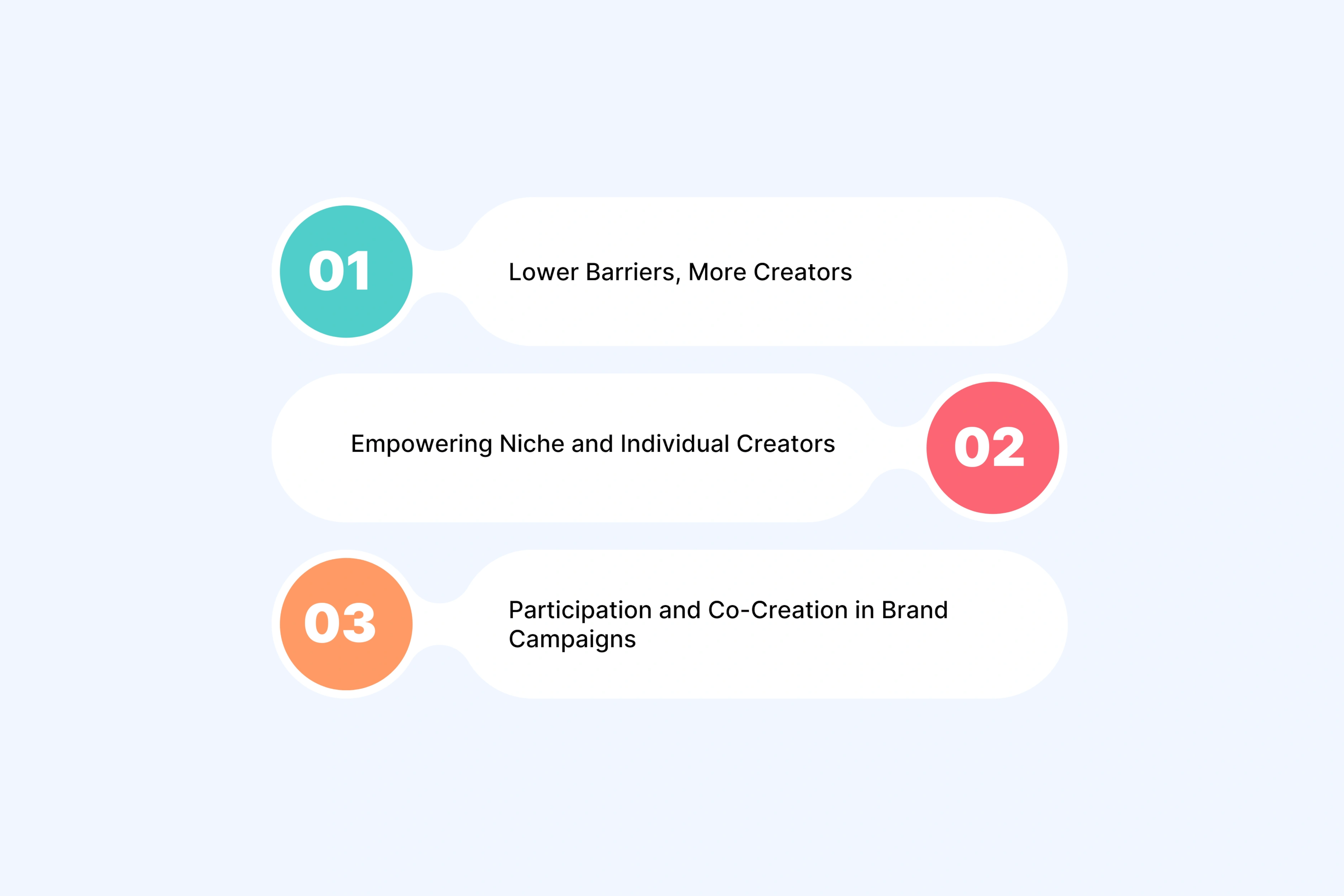
Lower Barriers, More Creators
You no longer need a massive budget to create professional video content. AI platforms put capabilities in your hands that only big brands could afford five years ago.
What this means for smaller teams:
Create personalized video campaigns without hiring full production crews
Generate product photography without expensive photo shoots
Test multiple ad variations without agency retainers
Produce content at a pace that matches larger competitors
The playing field is more level now. Business growth is not limited by your production budget.
Empowering Niche and Individual Creators
Fashion brands can create virtual influencers that match their exact customer profile. Local businesses produce videos for specific neighborhoods. Individual creators make content for tight niche audiences.
Emerging technologies let you speak directly to your segment. You do not need to make generic content that tries to appeal to everyone. AI helps you get specific and authentic for the customers who actually matter to your brand.
Participation and Co-Creation in Brand Campaigns
Interactive storytelling turns customers into active participants. They contribute ideas, vote on directions, or even appear in your content through user submissions.
This collaboration builds real brand loyalty:
Customers feel ownership in your story
Content becomes more authentic because real people shaped it
Engagement goes deeper than passive viewing
Your audience markets for you because they helped create it
When customers help build your narrative, they become invested in your success. That connection is harder to break than any ad campaign.
Challenges in AI-Driven Brand Storytelling
AI solves problems but creates new ones. Here are the real challenges brands face right now.
Quality and Saturation
Generic AI content is flooding every platform. When everyone uses the same tools the same way, everything starts looking identical.
The numbers back this up. About 38% of marketers say they have technology they are not using well. Tools get adopted fast but quality drops when volume becomes the only goal.
You need standards, not just speed. Strategic implementation beats pumping out content nobody remembers.
Impact on Creative Jobs
AI is changing creative work, not eliminating it. The shift is toward augmentation.
Here is what that looks like:
AI handles data analysis and repetitive production tasks
Humans focus on strategy, emotional storytelling, and brand direction
Creative professionals become orchestrators, not just executors
New skills around AI prompting and quality control become valuable
The talent gap is real. Teams struggle because they lack skills to manage AI projects well, not because AI replaced their jobs.
Authenticity Pitfalls
AI lacks the nuance to capture your exact brand voice without guidance. Some brands learned this the hard way by letting AI run campaigns with minimal oversight.
The content was fast and cheap. It was also generic and off brand. Customers noticed immediately.
Authentic brand voice requires human judgment at every checkpoint.
Ethical and Legal Viability
Data privacy and intellectual property questions are still evolving. Responsible AI use means staying current with regulations that change quickly.
Marketing leaders face real concerns. Nearly 70% of fraud experts say criminals use AI better than defenders right now. Voice cloning and synthetic media create trust problems.
You need clear policies on data usage, transparency, and content attribution.
Creative Relapse
Over reliance on AI leads to formulaic content. When you stop pushing creative boundaries, your stories become predictable.
Human oversight prevents this trap. Your team should challenge AI outputs, not just accept them. Innovation requires creative tension between efficiency and experimentation.
Bias and Representation
AI systems learn from data. If that data contains bias, your content will too.
Reaching diverse audiences fairly requires active monitoring:
Review AI outputs for stereotypes or exclusions
Test content with different demographic groups
Build diverse teams that catch blind spots
Update training data to reflect your actual audience
Responsible AI practices protect your brand integrity and ensure you connect authentically with all customer segments.
How to Leverage AI Content in Marketing Authentically
AI can help you scale content. But you need a plan to keep it real.
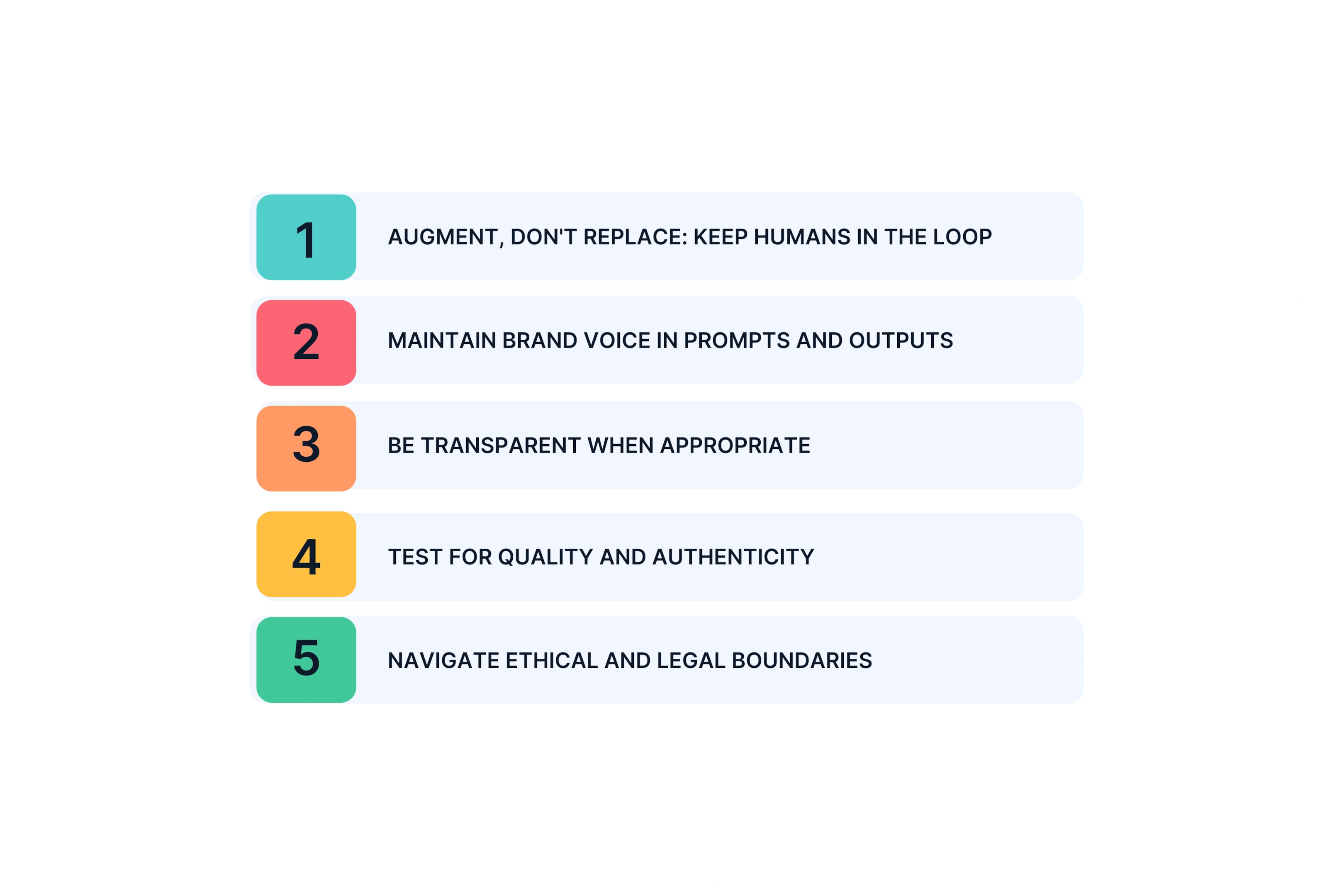
Augment, don't replace: keep humans in the loop
Let AI do the first draft. Your team makes it better. AI writes scripts, you fix the tone. AI makes visuals, you check if they match your brand. Work together. Do not hand everything to AI and walk away.
Maintain brand voice in prompts and outputs
Feed AI your brand guidelines and past content. Show it what good looks like for your brand. Test what comes out. Bad use sounds like everyone else. Good use sounds like you, just faster.
Be transparent when appropriate
Tell people when it matters. B2B buyers often want to know your process. D2C shoppers care more about results. Match your honesty to what your audience expects.
Test for quality and authenticity
Try different versions. See what works. Look past clicks and views. Ask if content actually connects. Create multiple options so your data shows you what resonates. This is why brands need variations, not just one AI output.
Navigate ethical and legal boundaries
Follow privacy rules. Give credit where it is due. Keep up with new AI laws. Smart companies set policies early. They do not wait for problems to force their hand.
AI-Driven Styles and Cultural Influence
AI is creating new visual and audio styles that shape how brands look and sound.
Surreal imagery and AI art styles
AI generated visuals have a distinct look. Fashion brands and tech companies are adopting these aesthetics into their brand identity. The style signals innovation without words.
Hyper-personalized and generative design
Machine learning creates unique designs for each customer. Product descriptions adapt to individual preferences. This personalization improves customer experience and drives customer satisfaction higher than generic content ever could.
Music and voices
AI innovation in audio lets you maintain consistent brand voice across thousands of personalized messages. Synthetic voices sound natural now. Generated music matches your brand mood. Leading companies use this to scale audio content without losing quality.
Interactive and evolving narratives
Stories that change based on customer behavior deepen engagement over time. The narrative adapts as preferences shift. This creates experiences static content cannot match.
Cultural reception and evolution
Different audiences accept AI at different speeds. Regional differences matter. Industry leaders doing business growth across markets build cultural sensitivity into their AI applications. What works in one market may feel wrong in another.
AI technologies are not future proof by default. You make them work by respecting how real people in different cultures actually respond.
Behind the Scenes: How End-to-End Video Production Works
Video production used to mean choosing between slow agencies or clunky DIY tools. Now there is a better option.
The traditional approach vs. modern creative partnerships
DIY tools give you control but require time, skills, and trial and error. Traditional agencies deliver quality but take weeks and cost more. Creative partnerships blend the best of both. You get expert guidance, fast delivery, and finished videos without managing tools yourself.
Brands are shifting to partnerships because they need scale without sacrificing quality.
The complete production process
Here is how end to end production works:
Strategic consultation refines your brief and identifies what will actually work
Script development and creative direction align content with your brand voice
Asset creation includes AI generated visuals, virtual influencers, and product integration
Production and post production handle the technical work
Testing and optimization create multiple versions for A/B testing
Delivery and iteration happen in hours or days, not weeks
Speed without sacrificing quality
Combining AI capabilities with human expertise gets you lifelike quality fast. You are not choosing between speed and authenticity anymore.
When to partner vs. when to DIY
Use internal tools when you need one or two videos and have time to learn. Partner with creative teams when you need dozens or hundreds of personalized videos, tight deadlines, or professional quality that represents your brand well.
Consider scale, quality standards, and whether your team has bandwidth. Sometimes buying finished work costs less than managing production yourself.
Case Study: Scaling Personalized Video Content for E-Commerce
A mid-sized D2C fashion brand needed to launch products across multiple customer segments. They wanted 100+ personalized UGC style videos. Traditional production would take over three months and cost four times their budget.
The approach: creative partnership model
The brand partnered with Unscript for end to end video production. Here is what happened:
Initial consultation identified target audiences and brand voice requirements. Unscript created custom virtual influencers that matched the brand's customer profiles exactly. Product training ensured consistent, high quality product representation across all videos.
Dynamic script variations addressed different customer preferences. Each personalized video included customer names, locations, and relevant offers. The brand got videos that felt custom made, not mass produced.
The results
Production time dropped to two weeks instead of three months. Cost savings hit 70% compared to traditional UGC production. Performance jumped to 3.2 times higher engagement rates versus their previous static content.
Product page conversions increased 28%. Average order value went up 18% from personalized recommendations. The virtual influencer and product assets could be reused for future campaigns.
Key takeaway
The partnership approach delivered AI speed with human strategic thinking. End to end solutions beat fragmented tools when you need to produce content at scale. The brand got quality, speed, and cost savings without managing production themselves.
Frequently Asked Questions
How does AI enhance brand storytelling without losing authenticity?
AI handles the repetitive work so your team can focus on strategy and emotion. The key is augmentation, not replacement. Keep humans in charge of brand voice, creative direction, and final approval. Successful brands treat AI as a tool under human direction, not a replacement for human judgment.
What AI tools are most effective for content marketing?
It depends on what you need. Natural language processing tools help with writing. AI visual platforms create images. Video production solutions handle video at scale. But tool selection matters less than how you use them. Sometimes partnering with creative teams who deliver finished work beats managing tools yourself.
Can small businesses leverage AI for brand storytelling?
Yes. AI levels the playing field. You can create professional content without agency budgets. Use tools directly when you need a few pieces and have time to learn. Partner with creative teams when you need dozens of videos, tight deadlines, or quality that matches bigger competitors.
How do I maintain brand integrity when using AI-generated content?
Start with clear brand voice guidelines. Train AI with your past content. Set up quality control checkpoints. Have humans review everything before it goes live. Test outputs for emotional resonance. Check consistency across all touchpoints. Never let AI run without oversight.
What's the difference between using AI tools and partnering with a creative team?
DIY tools require your time, expertise, and experimentation. You manage everything. Creative partnerships deliver finished videos with strategic consultation and expert recommendations. Choose tools when you have bandwidth and simple needs. Choose partnerships when you need scale, speed, and professional quality without managing production.
How can AI help reach diverse audiences more effectively?
AI personalizes content for different segments. You can create variations that speak to specific cultural contexts and customer preferences. But you must actively monitor for bias. Test content with different demographic groups. Build diverse teams that catch blind spots. Responsible representation requires human oversight.
What are the legal and ethical considerations for AI-generated content?
Follow copyright rules. Respect data privacy. Disclose AI use when required or when it builds trust. Stay current with evolving regulations. Get legal review for your AI content policies. Leading brands set clear guidelines early instead of reacting to problems later.
How do I measure the success of AI-driven storytelling?
Look beyond clicks and views. Measure engagement depth, conversion rates, customer lifetime value, and customer satisfaction. Track how content influences purchasing decisions. Gather actionable insights about what resonates. The goal is business impact, not vanity metrics.
Will AI replace creative professionals in brand storytelling?
No. AI changes creative work but does not eliminate it. The role shifts from execution to orchestration. Human creativity, strategic thinking, and emotional intelligence become more valuable, not less. AI handles data and repetitive tasks. Humans provide meaning, strategy, and authentic connection.
What's the future of AI in brand storytelling?
Natural language processing will get better. Augmented reality will become more accessible. Predictive analytics will get more sophisticated. But the human touch stays essential. Technology improves the tools. Humans create the meaning. Brands that remember this balance will win.
Conclusion
AI is changing brand storytelling fast. The brands winning right now use AI for speed and scale while keeping humans in charge of strategy and authenticity. You get better results when you balance technology with creative thinking.
The data is clear. Personalized content drives higher engagement, better conversions, and stronger customer loyalty. But only when you implement AI thoughtfully, not blindly.
Start with your brand voice. Add AI where it makes sense. Test everything. Keep humans in the loop. Whether you use tools directly or partner with creative teams like Unscript, focus on outcomes that matter to your customers.
Ready to scale your video content without losing quality? Schedule your demo call now and see how end to end creative partnerships deliver finished videos in days, not months.
Let's Turn Your Scripts into Stunning Videos. Sign Up Now.
Stop struggling with video creation. Our AI simplifies the process, letting you create professional-looking videos from text in record time. Try it for free today!
How AI Changes Brand Storytelling in 2025: Strategies, Data & Real-World Results
Discover how 200+ brands are using AI to revolutionize storytelling. Expert insights, performance data, case studies, and a practical framework to blend AI with human creativity authentically.
AI is changing how brands tell stories. You can now create videos that feel personal without spending months in production. You can test different messages fast. And you can reach more people with content that actually connects.
This guide shows you how AI works in brand storytelling today. You will see real examples, honest challenges, and practical steps you can use right away. We cover generative AI, personalized video, and how to keep your brand voice strong when you scale content production.
If you want to create better stories faster, this is for you.
Key Takeaways
Personalization scales now: You can create thousands of unique videos for different customers without losing quality or brand voice.
Speed matters more: Brands that deliver content in days instead of months win attention before competitors even start production.
Humans still lead: AI handles repetitive work. Your team focuses on strategy, creativity, and making sure content feels authentic.
Testing beats guessing: Create multiple video versions fast. Let your audience data show you what actually works.
Partnership over tools: Working with creative partners who deliver finished videos often beats buying tools you have to learn and manage yourself.
Transparency builds trust: When you are honest about using AI, customers respect your brand more. Hiding it creates problems later.
State of AI in Brand Storytelling: 2025 Data Insights
AI is no longer experimental. Nine out of ten marketing teams now use AI somewhere in their content process. The numbers show clear patterns in how brands adopt AI, what works, and where teams hit roadblocks.
Practical guidance for 2025 suggests putting roughly 40% of AI marketing budgets into core tools like content platforms, marketing automation, analytics, and customer service. The rest goes to implementation, data work, and training.
Some large companies now attribute over 40% of their annual revenue growth to AI driven marketing strategies. Executives increasingly view AI as a strategic line item tied directly to revenue.
AI driven attribution and optimization models deliver about 1.6 times better marketing ROI than traditional approaches. Better targeting, creative testing, and budget allocation drive the improvement.
The most common challenges are integration with existing systems, data privacy and security, and ongoing monitoring of AI driven experiences.
Spending heavily on tools but too little on implementation and training leads to failure rates above 60%. Data preparation alone can delay projects by 6 to 12 months when not funded properly.
The data is clear. AI works when you invest in implementation, not just tools. Teams that pair AI with human oversight see the best results. Speed and personalization drive measurable gains in engagement, conversions, and revenue.
But technology alone does not solve storytelling problems. You still need strategy, brand voice, and quality control. The brands winning with AI treat it as a partner in the creative process, not a replacement for creative thinking.
Why Generative AI Matters in Brand Storytelling
Brand storytelling used to be one message sent to everyone. You created an ad or campaign and hoped it landed with your audience.
Generative AI changes that model completely. Now you can create personalized stories for different customers without losing your brand voice.
Here is what generative AI does for storytelling:
Processes customer data at scale: AI systems analyze purchase history, browsing behavior, and preferences across thousands of customers. You see patterns humans would miss.
Predicts what customers need next: Machine learning looks at past behavior and predicts future needs. Your content strategy becomes proactive instead of reactive.
Maintains brand identity across variations: You can create hundreds of personalized video versions while keeping your brand voice consistent. Each customer gets a story that feels made for them.
Turns data into narrative: Unstructured data like customer reviews, support tickets, and social comments become insights that shape better stories.
The result is simple. You connect with diverse audiences through stories that feel relevant. Your brand stays consistent even as your content adapts to different customer segments.
This is why teams are moving from broadcast storytelling to conversational narratives that respond to individual customer behavior.
How AI is Changing Brand Storytelling
AI is not replacing creative work. It is expanding what you can do with your stories and how fast you can deliver them to customers.
Creating Powerful Hybrid Experiences
Brands now blend artificial intelligence with human imagination to create experiences that feel real and digital at the same time.
Here is what hybrid experiences look like:
AI generated visuals combined with real world product shots
Virtual models wearing actual products in photorealistic settings
Augmented reality that lets customers interact with products before buying
Digital and physical touchpoints working together in one narrative
When you leverage AI this way, you give customers compelling narratives that feel both innovative and authentic.
Enabling Interactive Storytelling
AI powered chatbots turn one way messages into two way conversations. Your audience stops passively watching and starts actively participating.
This interaction does more than answer questions:
Gathers real time insights about what customers actually want
Adapts content based on individual behavior and preferences
Builds stronger customer engagement through personalized responses
Creates loyal customers by making them feel heard
Generative AI makes these conversations feel natural. The customer experience improves because responses adapt to context, not just keywords.
Providing Real Time Responsive Experiences
Social media posts can now adjust based on trending topics the moment they emerge. Personalized content evolves as user behavior changes.
This rapid pace keeps your brand relevant:
Content shifts to match trending topics instantly
Narratives adapt based on real time customer behavior
Messages stay resonant because they respond to what is happening now
You stop relying only on what you planned weeks ago
AI processes real time data and adjusts your storytelling to match the moment.
Blending Automation with Human Touch
Here is where most brands get it wrong. They either use only creative tools with no AI, or they let AI run everything.
The right approach balances both. AI handles data driven tasks, repetitive content production, and analysis. Your creative team provides emotional depth, strategic direction, and brand integrity.
AI lacks the human judgment needed for authentic storytelling. Human oversight ensures AI generated content maintains your brand voice and connects meaningfully with target audiences. This is how AI changes brand storytelling without losing what makes your brand yours.
What Marketing Leaders Are Saying: Expert Perspectives
Leaders across industries are testing AI in real campaigns. Here is what they learned about creativity, authenticity, and results.
On AI's Role in Creativity
Todd Ariss, Founder and CEO of GoDark Bags, puts it simply: "AI isn't here to replace our team but to amplify what makes us exceptional. It helps us think bigger, move faster, and serve smarter, without losing our human touch. AI smooths out workflows and frees us to focus on building trust and growing the brand."
The pattern is clear. AI handles the repetitive work so creative teams can focus on strategy and brand building.
On Maintaining Authenticity
A marketing leader from a B2B brand warns about over reliance: "Authentic brands that master human-machine collaboration will win. Machines support creation, but they cannot replace the human dimension of voice. Investing in voice systems and governance is critical to preserve brand coherence and trust in the AI era."
Your brand voice is not something you can automate completely. You need systems that keep AI outputs aligned with how your brand actually sounds.
On Future Trends
Megh Gautam, Chief Product Officer at Crunchbase, sees a shift coming: "In 2025, AI investments will shift decisively from experimentation to execution. We'll see the rise of AI agents handling operational tasks and adoption of AI tools that drive measurable improvements in sales optimization and customer support automation."
The experimental phase is ending. Teams now expect AI to deliver clear business results, not just interesting demos.
AI generates content. Humans create meaning. That distinction matters more as AI becomes more capable.
What this means for your brand
These leaders agree on one thing. AI works best when it supports human creativity, not when it tries to replace it. The brands seeing results use AI for speed and scale while keeping humans in charge of strategy, voice, and emotional connection.
Audience Perceptions: Originality, Authenticity, and Value of AI-Generated Works
Your audience notices when you use AI. What matters is how you use it.
Curiosity and Engagement
AI content grabs attention fast. People want to see what artificial intelligence can do.
The numbers show this curiosity:
AI art and videos get more clicks at first
Customers spend more time on interactive AI experiences
The novelty works. But it does not last long. You still need good content behind the tech.
Skepticism on Originality and Value
Not everyone trusts AI generated content. Some people think AI is a shortcut that removes real creativity.
Survey data shows split reactions. Younger audiences care less about who made it. Older people question if it is original. B2B buyers worry about quality. D2C customers just want content that helps them.
The doubt is not really about AI. It is about whether you use AI to cut corners or make things better.
Authenticity and Trust Concerns
Trust breaks when AI feels like you replaced humans with robots. Customers want to know a real person gets their needs.
What keeps trust strong:
Be honest about when you use AI
Let humans check that your brand voice stays consistent
Have real people available for complex questions
Make content feel personal, not mass produced
Loyal customers stick around when they feel you care. AI can help you care at scale. But humans must lead that process.
The Verdict: What Actually Resonates
Your audience cares about results, not tech specs. Does your content help them? Does it entertain them? Does it solve their problem?
The answer is simple. Use AI for speed and personalization. Let humans add emotion and strategy. Tell people how you work. Focus on value.
Brands that balance this right see better engagement and stronger loyalty. Brands that automate everything lose the human connection that builds relationships.
People do not hate AI. They hate content that feels fake, lazy, or dishonest. Get the balance right and AI helps you win.
Accessibility and Brand Storytelling
AI has opened doors that used to be locked for small teams and individual creators.
Lower Barriers, More Creators
You no longer need a massive budget to create professional video content. AI platforms put capabilities in your hands that only big brands could afford five years ago.
What this means for smaller teams:
Create personalized video campaigns without hiring full production crews
Generate product photography without expensive photo shoots
Test multiple ad variations without agency retainers
Produce content at a pace that matches larger competitors
The playing field is more level now. Business growth is not limited by your production budget.
Empowering Niche and Individual Creators
Fashion brands can create virtual influencers that match their exact customer profile. Local businesses produce videos for specific neighborhoods. Individual creators make content for tight niche audiences.
Emerging technologies let you speak directly to your segment. You do not need to make generic content that tries to appeal to everyone. AI helps you get specific and authentic for the customers who actually matter to your brand.
Participation and Co-Creation in Brand Campaigns
Interactive storytelling turns customers into active participants. They contribute ideas, vote on directions, or even appear in your content through user submissions.
This collaboration builds real brand loyalty:
Customers feel ownership in your story
Content becomes more authentic because real people shaped it
Engagement goes deeper than passive viewing
Your audience markets for you because they helped create it
When customers help build your narrative, they become invested in your success. That connection is harder to break than any ad campaign.
Challenges in AI-Driven Brand Storytelling
AI solves problems but creates new ones. Here are the real challenges brands face right now.
Quality and Saturation
Generic AI content is flooding every platform. When everyone uses the same tools the same way, everything starts looking identical.
The numbers back this up. About 38% of marketers say they have technology they are not using well. Tools get adopted fast but quality drops when volume becomes the only goal.
You need standards, not just speed. Strategic implementation beats pumping out content nobody remembers.
Impact on Creative Jobs
AI is changing creative work, not eliminating it. The shift is toward augmentation.
Here is what that looks like:
AI handles data analysis and repetitive production tasks
Humans focus on strategy, emotional storytelling, and brand direction
Creative professionals become orchestrators, not just executors
New skills around AI prompting and quality control become valuable
The talent gap is real. Teams struggle because they lack skills to manage AI projects well, not because AI replaced their jobs.
Authenticity Pitfalls
AI lacks the nuance to capture your exact brand voice without guidance. Some brands learned this the hard way by letting AI run campaigns with minimal oversight.
The content was fast and cheap. It was also generic and off brand. Customers noticed immediately.
Authentic brand voice requires human judgment at every checkpoint.
Ethical and Legal Viability
Data privacy and intellectual property questions are still evolving. Responsible AI use means staying current with regulations that change quickly.
Marketing leaders face real concerns. Nearly 70% of fraud experts say criminals use AI better than defenders right now. Voice cloning and synthetic media create trust problems.
You need clear policies on data usage, transparency, and content attribution.
Creative Relapse
Over reliance on AI leads to formulaic content. When you stop pushing creative boundaries, your stories become predictable.
Human oversight prevents this trap. Your team should challenge AI outputs, not just accept them. Innovation requires creative tension between efficiency and experimentation.
Bias and Representation
AI systems learn from data. If that data contains bias, your content will too.
Reaching diverse audiences fairly requires active monitoring:
Review AI outputs for stereotypes or exclusions
Test content with different demographic groups
Build diverse teams that catch blind spots
Update training data to reflect your actual audience
Responsible AI practices protect your brand integrity and ensure you connect authentically with all customer segments.
How to Leverage AI Content in Marketing Authentically
AI can help you scale content. But you need a plan to keep it real.
Augment, don't replace: keep humans in the loop
Let AI do the first draft. Your team makes it better. AI writes scripts, you fix the tone. AI makes visuals, you check if they match your brand. Work together. Do not hand everything to AI and walk away.
Maintain brand voice in prompts and outputs
Feed AI your brand guidelines and past content. Show it what good looks like for your brand. Test what comes out. Bad use sounds like everyone else. Good use sounds like you, just faster.
Be transparent when appropriate
Tell people when it matters. B2B buyers often want to know your process. D2C shoppers care more about results. Match your honesty to what your audience expects.
Test for quality and authenticity
Try different versions. See what works. Look past clicks and views. Ask if content actually connects. Create multiple options so your data shows you what resonates. This is why brands need variations, not just one AI output.
Navigate ethical and legal boundaries
Follow privacy rules. Give credit where it is due. Keep up with new AI laws. Smart companies set policies early. They do not wait for problems to force their hand.
AI-Driven Styles and Cultural Influence
AI is creating new visual and audio styles that shape how brands look and sound.
Surreal imagery and AI art styles
AI generated visuals have a distinct look. Fashion brands and tech companies are adopting these aesthetics into their brand identity. The style signals innovation without words.
Hyper-personalized and generative design
Machine learning creates unique designs for each customer. Product descriptions adapt to individual preferences. This personalization improves customer experience and drives customer satisfaction higher than generic content ever could.
Music and voices
AI innovation in audio lets you maintain consistent brand voice across thousands of personalized messages. Synthetic voices sound natural now. Generated music matches your brand mood. Leading companies use this to scale audio content without losing quality.
Interactive and evolving narratives
Stories that change based on customer behavior deepen engagement over time. The narrative adapts as preferences shift. This creates experiences static content cannot match.
Cultural reception and evolution
Different audiences accept AI at different speeds. Regional differences matter. Industry leaders doing business growth across markets build cultural sensitivity into their AI applications. What works in one market may feel wrong in another.
AI technologies are not future proof by default. You make them work by respecting how real people in different cultures actually respond.
Behind the Scenes: How End-to-End Video Production Works
Video production used to mean choosing between slow agencies or clunky DIY tools. Now there is a better option.
The traditional approach vs. modern creative partnerships
DIY tools give you control but require time, skills, and trial and error. Traditional agencies deliver quality but take weeks and cost more. Creative partnerships blend the best of both. You get expert guidance, fast delivery, and finished videos without managing tools yourself.
Brands are shifting to partnerships because they need scale without sacrificing quality.
The complete production process
Here is how end to end production works:
Strategic consultation refines your brief and identifies what will actually work
Script development and creative direction align content with your brand voice
Asset creation includes AI generated visuals, virtual influencers, and product integration
Production and post production handle the technical work
Testing and optimization create multiple versions for A/B testing
Delivery and iteration happen in hours or days, not weeks
Speed without sacrificing quality
Combining AI capabilities with human expertise gets you lifelike quality fast. You are not choosing between speed and authenticity anymore.
When to partner vs. when to DIY
Use internal tools when you need one or two videos and have time to learn. Partner with creative teams when you need dozens or hundreds of personalized videos, tight deadlines, or professional quality that represents your brand well.
Consider scale, quality standards, and whether your team has bandwidth. Sometimes buying finished work costs less than managing production yourself.
Case Study: Scaling Personalized Video Content for E-Commerce
A mid-sized D2C fashion brand needed to launch products across multiple customer segments. They wanted 100+ personalized UGC style videos. Traditional production would take over three months and cost four times their budget.
The approach: creative partnership model
The brand partnered with Unscript for end to end video production. Here is what happened:
Initial consultation identified target audiences and brand voice requirements. Unscript created custom virtual influencers that matched the brand's customer profiles exactly. Product training ensured consistent, high quality product representation across all videos.
Dynamic script variations addressed different customer preferences. Each personalized video included customer names, locations, and relevant offers. The brand got videos that felt custom made, not mass produced.
The results
Production time dropped to two weeks instead of three months. Cost savings hit 70% compared to traditional UGC production. Performance jumped to 3.2 times higher engagement rates versus their previous static content.
Product page conversions increased 28%. Average order value went up 18% from personalized recommendations. The virtual influencer and product assets could be reused for future campaigns.
Key takeaway
The partnership approach delivered AI speed with human strategic thinking. End to end solutions beat fragmented tools when you need to produce content at scale. The brand got quality, speed, and cost savings without managing production themselves.
Frequently Asked Questions
How does AI enhance brand storytelling without losing authenticity?
AI handles the repetitive work so your team can focus on strategy and emotion. The key is augmentation, not replacement. Keep humans in charge of brand voice, creative direction, and final approval. Successful brands treat AI as a tool under human direction, not a replacement for human judgment.
What AI tools are most effective for content marketing?
It depends on what you need. Natural language processing tools help with writing. AI visual platforms create images. Video production solutions handle video at scale. But tool selection matters less than how you use them. Sometimes partnering with creative teams who deliver finished work beats managing tools yourself.
Can small businesses leverage AI for brand storytelling?
Yes. AI levels the playing field. You can create professional content without agency budgets. Use tools directly when you need a few pieces and have time to learn. Partner with creative teams when you need dozens of videos, tight deadlines, or quality that matches bigger competitors.
How do I maintain brand integrity when using AI-generated content?
Start with clear brand voice guidelines. Train AI with your past content. Set up quality control checkpoints. Have humans review everything before it goes live. Test outputs for emotional resonance. Check consistency across all touchpoints. Never let AI run without oversight.
What's the difference between using AI tools and partnering with a creative team?
DIY tools require your time, expertise, and experimentation. You manage everything. Creative partnerships deliver finished videos with strategic consultation and expert recommendations. Choose tools when you have bandwidth and simple needs. Choose partnerships when you need scale, speed, and professional quality without managing production.
How can AI help reach diverse audiences more effectively?
AI personalizes content for different segments. You can create variations that speak to specific cultural contexts and customer preferences. But you must actively monitor for bias. Test content with different demographic groups. Build diverse teams that catch blind spots. Responsible representation requires human oversight.
What are the legal and ethical considerations for AI-generated content?
Follow copyright rules. Respect data privacy. Disclose AI use when required or when it builds trust. Stay current with evolving regulations. Get legal review for your AI content policies. Leading brands set clear guidelines early instead of reacting to problems later.
How do I measure the success of AI-driven storytelling?
Look beyond clicks and views. Measure engagement depth, conversion rates, customer lifetime value, and customer satisfaction. Track how content influences purchasing decisions. Gather actionable insights about what resonates. The goal is business impact, not vanity metrics.
Will AI replace creative professionals in brand storytelling?
No. AI changes creative work but does not eliminate it. The role shifts from execution to orchestration. Human creativity, strategic thinking, and emotional intelligence become more valuable, not less. AI handles data and repetitive tasks. Humans provide meaning, strategy, and authentic connection.
What's the future of AI in brand storytelling?
Natural language processing will get better. Augmented reality will become more accessible. Predictive analytics will get more sophisticated. But the human touch stays essential. Technology improves the tools. Humans create the meaning. Brands that remember this balance will win.
Conclusion
AI is changing brand storytelling fast. The brands winning right now use AI for speed and scale while keeping humans in charge of strategy and authenticity. You get better results when you balance technology with creative thinking.
The data is clear. Personalized content drives higher engagement, better conversions, and stronger customer loyalty. But only when you implement AI thoughtfully, not blindly.
Start with your brand voice. Add AI where it makes sense. Test everything. Keep humans in the loop. Whether you use tools directly or partner with creative teams like Unscript, focus on outcomes that matter to your customers.
Ready to scale your video content without losing quality? Schedule your demo call now and see how end to end creative partnerships deliver finished videos in days, not months.
We are committed to safety, security, and ethical use of our service. Al avatars can only be created and shared with express consent and cannot be used to spread content that's harmful to others.
December 23, 2025
How to Scale Video Ad Production Without the Traditional Bottlenecks
Learn how teams produce 20-30 video ad variations per campaign without massive budgets. Practical strategies for scaling video production that actually work.
Short-Form Video Ads: Why Most Fail in 7 Days (And How to Win)
Most short-form video ads lose 50% performance in 7 days. Learn the attention patterns, variation strategies, and platform tactics that sustain results.
How to Scale UGC Video Ads Without Losing Authenticity (or Your Budget)
UGC video ads drive conversions, but scaling them is expensive and slow. Learn how brands test multiple hooks, maintain authenticity, and reduce ad spend without creator dependency.
Avatar Marketing: Which One Do You Actually Need? (And How to Know)
Avatar marketing can mean digital AI characters OR customer profiling. Learn which one you need, when each works, and how to avoid costly mistakes in your strategy.
We are committed to safety, security, and ethical use of our service. Al avatars can only be created and shared with express consent and cannot be used to spread content that's harmful to others.
Data Encryption
Your data is encrypted both in transit and at rest, ensuring safe and confidential communications at all times.
Privacy Compliance
Our platform adheres to GDPR, CCPA, and SOC 2, safeguarding your data with strict security protocols.
Identity Verification
We use identity checks to ensure only authorized individuals access your account and data.
24/7 Monitoring
Our system continuously monitors for vulnerabilities, keeping your data safe from potential risks.











.svg)
.svg)
%201.svg)

.webp)
.webp)
.webp)


.svg)
