AI Social Videos: Why Social Content Needs a Different Approach Than Traditional Video
Social content demands volume without sacrificing quality. Learn why AI social videos need format-led thinking, not just faster editing and how to scale strategically.
Your team needs to post three to five times a day. Every platform wants something different. TikTok needs vertical video. Reels need captions. YouTube Shorts need hooks in three seconds.
Traditional video production was not built for this. You cannot shoot one commercial and cut it down for social media. The format is wrong. The pacing is wrong. The algorithm does not reward it.
AI social videos promise speed. But speed without strategy creates more content that does not work. You need a system that balances volume with quality and treats each platform differently from the start.
Key Takeaways
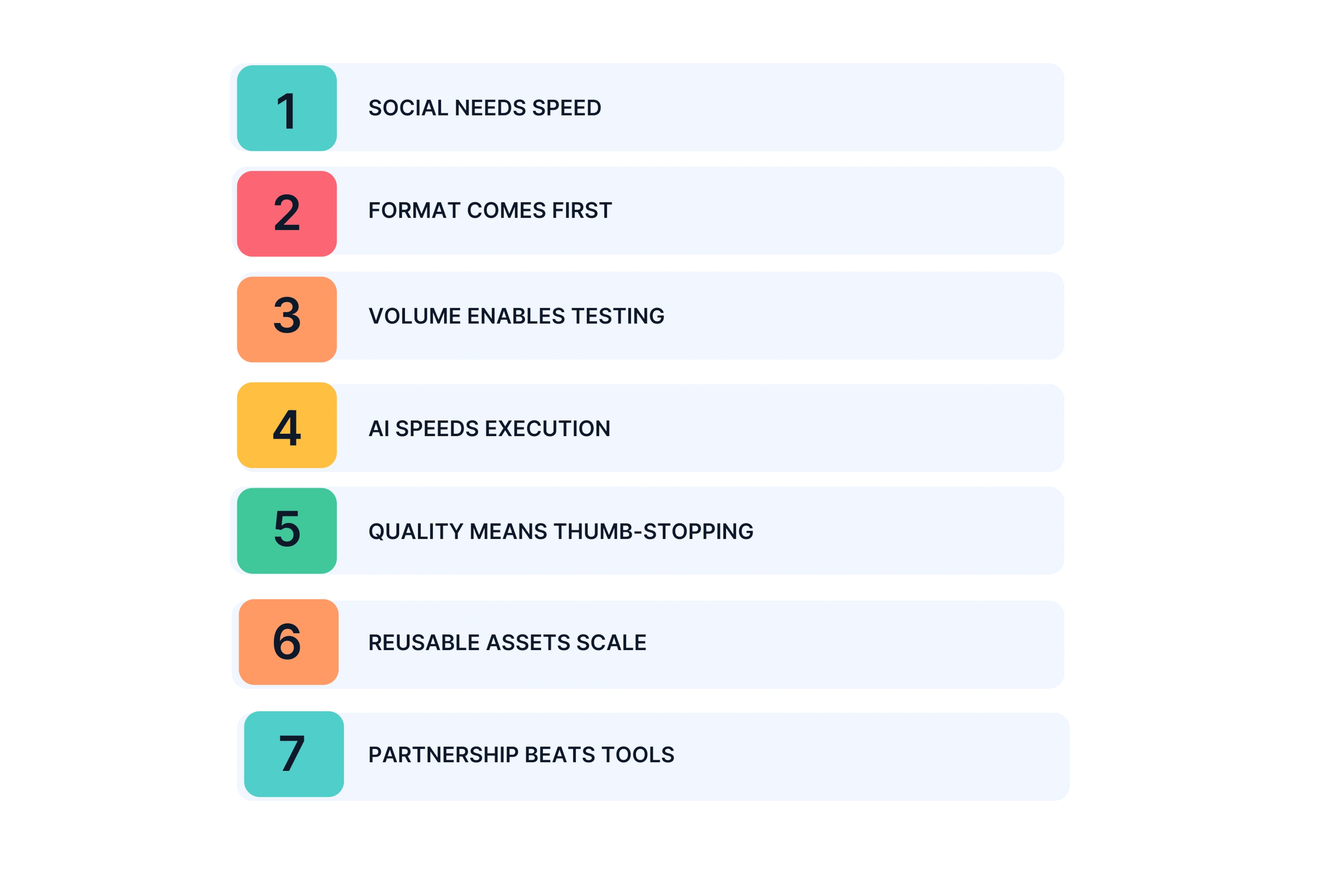
Social needs speed: You cannot use traditional video workflows for daily social content. The turnaround time does not match platform demands.
Format comes first: Design for Reels or TikTok specs from the start. Cutting down long videos wastes time and hurts performance.
Volume enables testing: Multiple video versions let you run A/B tests. More content means faster learning about what your audience wants.
AI speeds execution: AI video generation handles technical tasks fast. But you still need creative strategy and platform knowledge.
Quality means thumb-stopping: High quality videos for social media means scroll-stopping hooks. Not cinematic production value.
Reusable assets scale: Custom AI avatars and trained product assets work across campaigns. Build once and use many times.
Partnership beats tools: Learning video editing software takes time. A creative partner delivers finished videos while you focus on strategy.
Why Traditional Video Workflows Fail for Social Content
Traditional video production takes weeks. You plan the shoot. You film. You edit. You get approvals. Then you publish one polished video.
Social media needs 20 to 50 videos every month. That old production process cannot keep up.
The biggest mistake brands make is shooting long video content and cutting it down for social platforms. This does not work. Here is why:
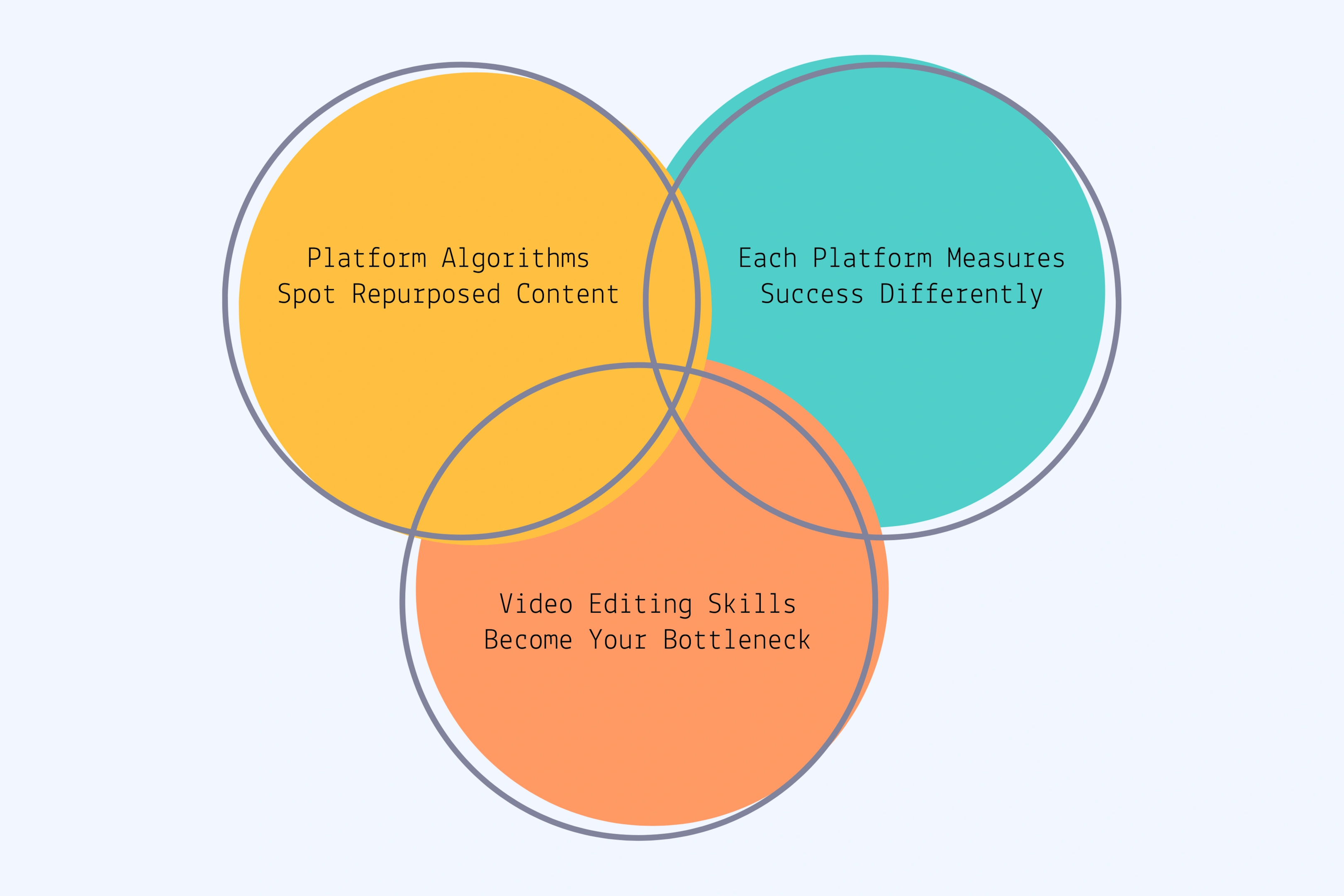
Platform algorithms spot repurposed content: TikTok and Reels reward videos made for their format. Cropped commercials feel wrong. The pacing is off. The hooks are in the wrong place. Your engagement drops.
Each platform measures success differently: YouTube channel content needs watch time. TikTok wants shares and completion rate. Instagram Reels tracks saves and comments. One video editing approach cannot win on all three.
Video editing skills become your bottleneck: Your team knows strategy. But creating videos requires different skills. When you need daily content, waiting for a video editor slows everything down. Most video editor tools are built for precision. Not for creating 30 variations fast.
When you publish one perfect video per month, you get one data point. When you publish 20 videos, you learn what hooks work. What video length keeps attention? What background music your audience like?
Start with the format. Not your message. This is backwards from traditional marketing but it works.
The first three seconds decide everything:
Your hook must stop the scroll. No slow build-up. No logo intro.
Start with the payoff. Use visual movement.
Add text overlays that create curiosity. This is not preference. This is survival.
Each platform has non-negotiable specs:
Vertical video is required.
Dynamic captions are required.
Background music that matches platform trends is required.
You cannot ignore these and expect engagement.
Different video formats serve different goals. Viral clips build awareness. Explainer videos drive conversion. Short form videos with AI avatars work for testimonials. Product demos need different pacing than brand stories.
High quality videos on social media means something specific. It means thumb-stopping quality. Not expensive cameras. Not perfect lighting. Your video quality is measured by engagement. Does it make people stop? Does it boost engagement? Does it get shared?
Sound design matters more than you think: Most people scroll with sound on. Background music sets the mood. Sound effects add punch to transitions. Silence feels wrong on TikTok but works on LinkedIn.
Text overlays are not optional. They highlight key points. They keep attention when audio is off. They guide the viewer through your story.
AI video generation speeds up technical work. You can create videos with AI avatar for testimonials. You can generate multiple formats from one concept. You need a Reel and a TikTok version? AI handles that fast.
Localization is another win. AI tools that support multiple languages let you adapt content for different markets. Personalization at scale becomes possible when AI swaps names or locations in bulk.
Where humans still matter
AI generated videos need direction. You provide the creative brief. You decide the hook. You define your brand voice. Text prompts alone do not create scroll-stopping content.
Strategy comes from people. Which platform? What goal? What message? AI video editor software cannot answer these questions.
What "AI Video Generator" Actually Means in Practice
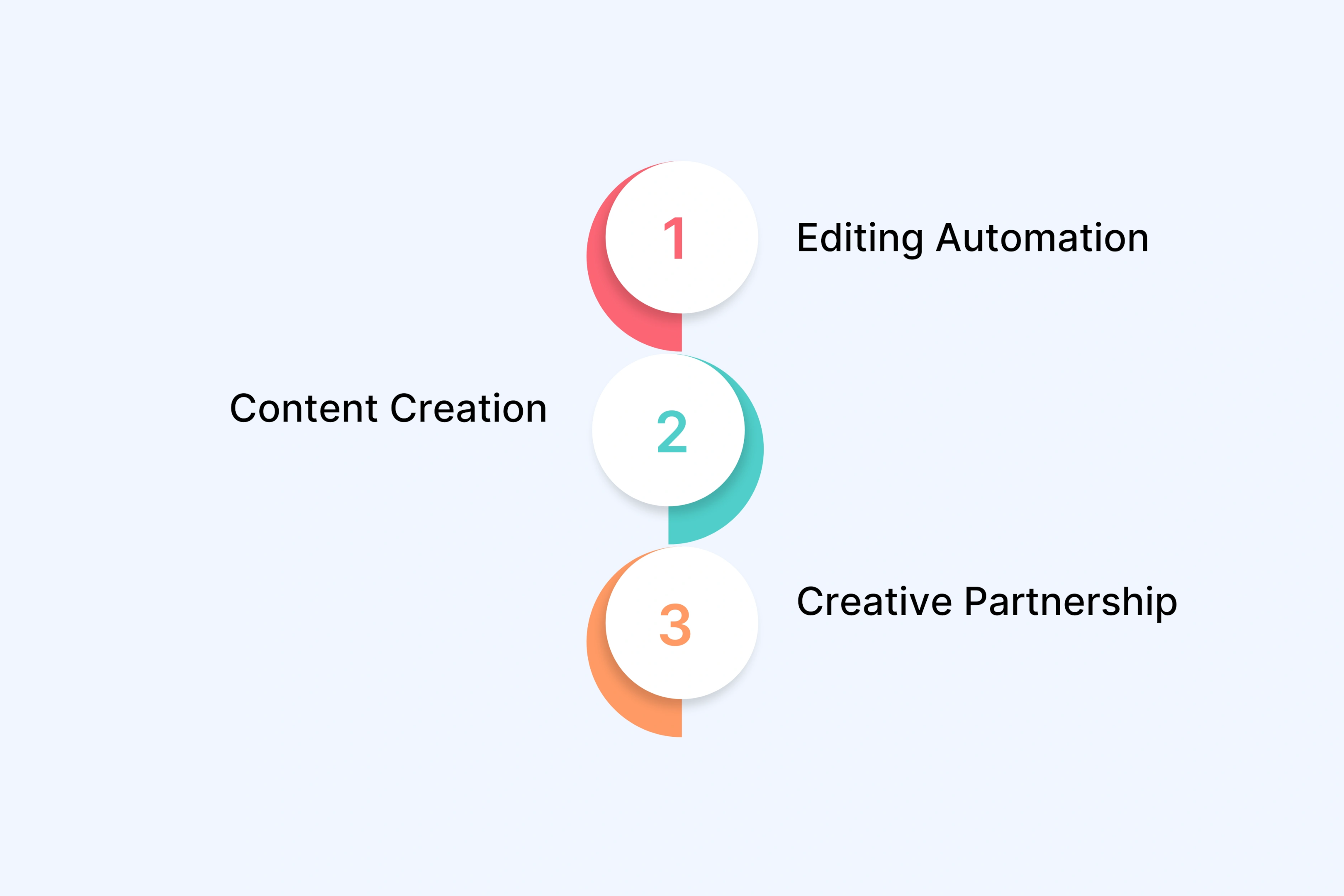
The term gets used three ways:
Editing automation: speeds up cuts and transitions but you still build the story.
Content creation: generates new AI video from scripts or assets but needs your input on style and format.
Creative partnership: delivers finished videos where a team handles strategy and execution together.
Most brands need the third option. Not just AI features.
The Real Challenge: Scaling Video Content Without Scaling Headcount
Hiring more video editors does not fix your volume problem. You still face the same bottleneck.
The real issue is not production speed. It is creative variation. You need 30 different videos. Not the same video 30 times.
What actually slows teams down
Your content strategy needs constant iteration. Each platform wants different hooks. Each audience segment needs tailored messaging. An AI video generator can speed up rendering. But it cannot decide what to create.
Then they hit reality. You still need to write briefs. You still need to maintain brand voice. You still need to review every generated video.
Video templates help with consistency. But template-based content feels repetitive fast. Your audience notices when you use the same AI avatar in every explainer video.
The "just a few clicks" promise sounds good. In practice, creating professional quality videos takes hours or days. Not minutes. Each full video needs review. Each AI clip needs context. Each text prompt needs refinement.
Why "User Friendly Interface" Isn't the Solution
Software complexity is not your blocker. Strategy is.
You do not need easier AI tools. You need someone to handle the entire process. From content creation planning to final delivery. That frees your team for social media strategy instead of managing video generation workflows.
Building a Sustainable Social Video System (Volume + Quality)
Start with your content strategy before you touch any AI video generator. Ask one question: what does your target audience need at each stage?
Build reusable asset libraries
Create AI avatar characters you use across campaigns. Train product b roll once and reuse it in multiple formats. Build brand assets that work on social platforms. This modular approach is a huge time saver.
One video template does not work everywhere. You need different formats for different goals. Faceless videos work for tutorials. AI generated videos with brand safe AI avatars work for testimonials. Product demos need tight b roll cuts.
Test variations, not perfection
Launch three to five versions of each concept. Change the hook. Swap the AI avatar. Try different opening lines. Multiple formats give you data. One perfect video gives you hope.
A/B testing shows what works. But test the right things. Do not test background colors. Test hooks. Test video formats. Test calls to action. These drive results.
Track engagement metrics that matter. Comments and shares beat view counts. Completion rate beats total plays. Your AI video content should boost engagement. Not just rack up impressions.
The Format Matrix Approach
Match content type to platform and goal:
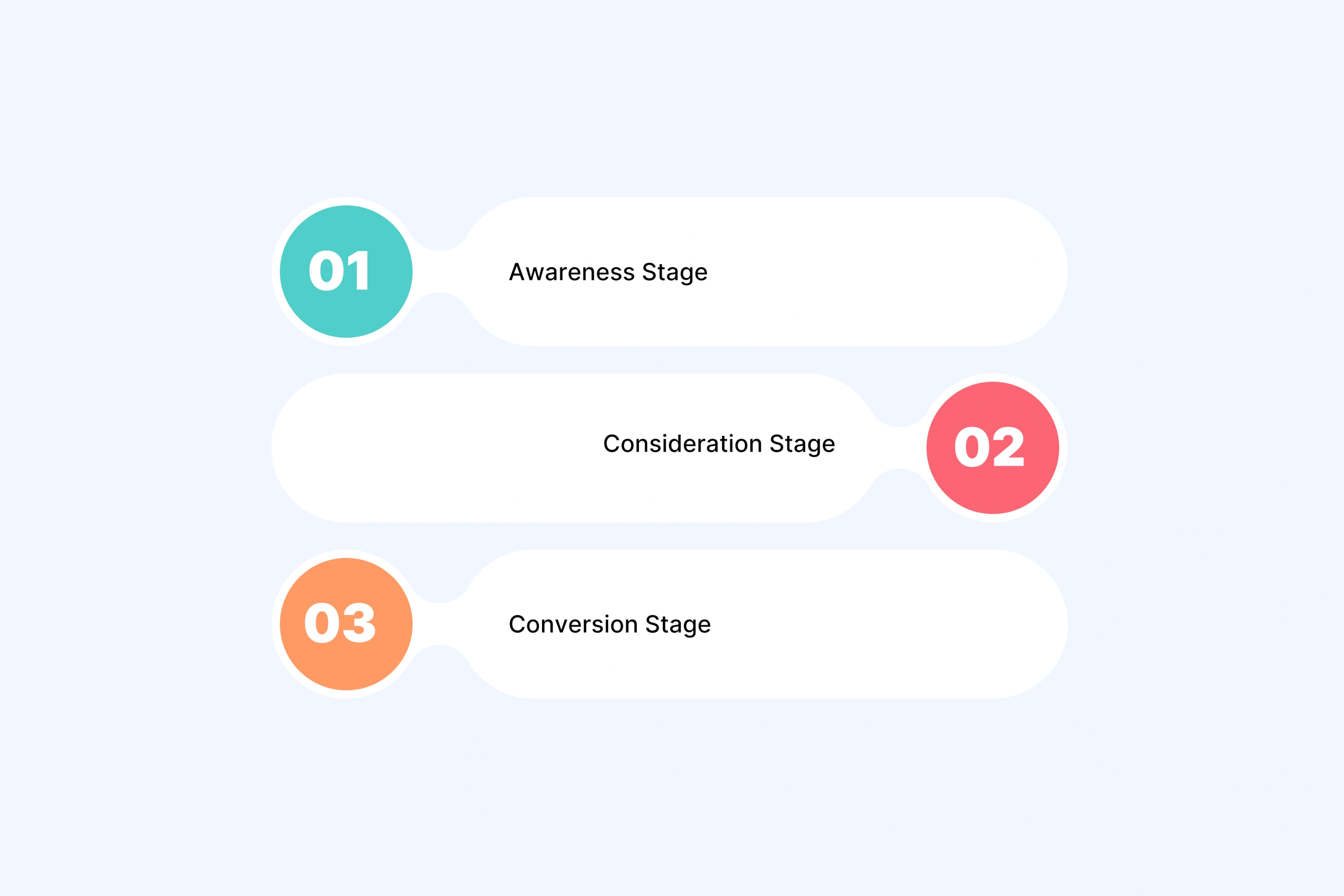
Awareness stage: Viral AI clips on TikTok, faceless explainer videos on Reels
A/B Testing for Social Video (What to Actually Test)
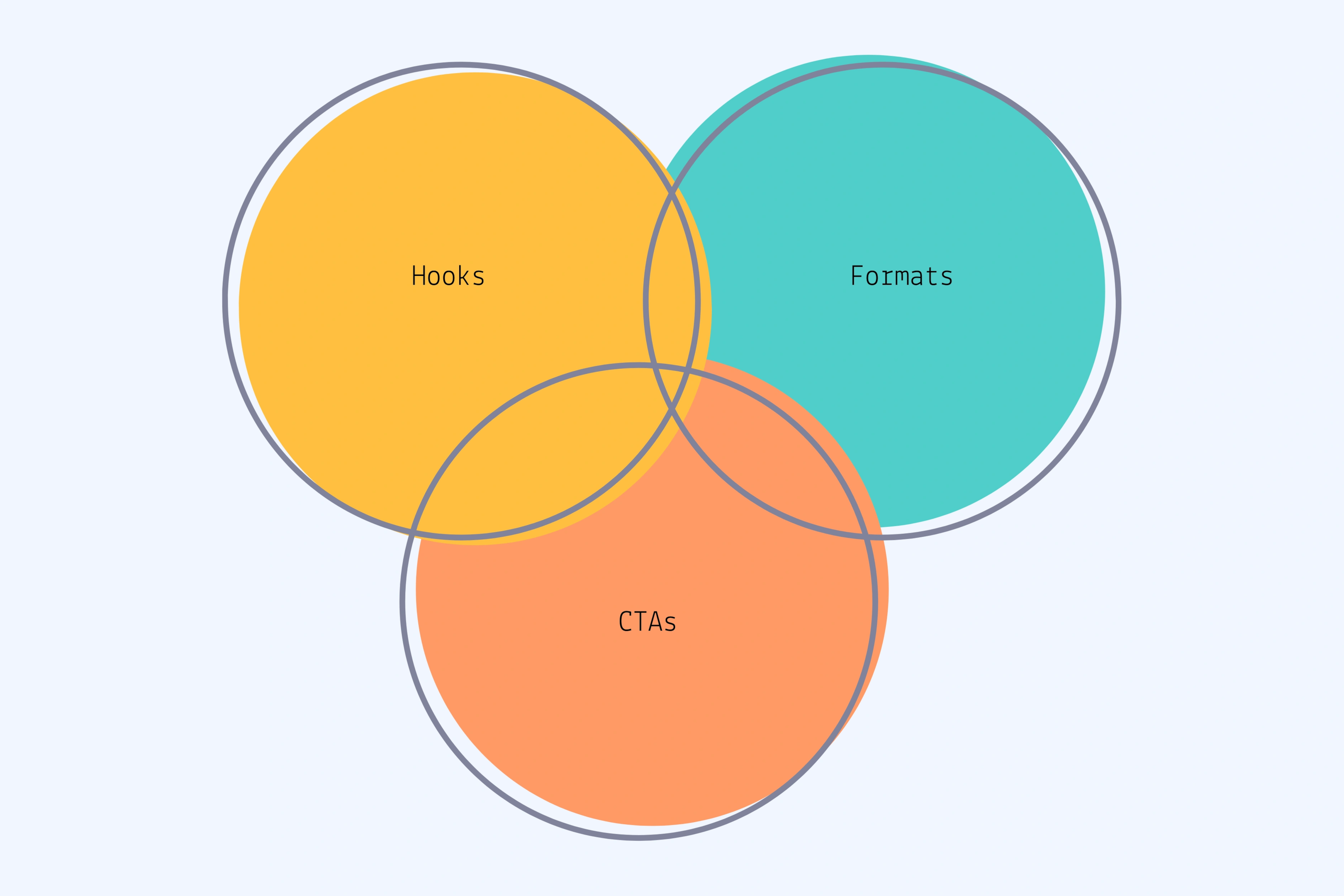
Focus your tests on three areas:
Hooks: First three seconds with different visual or text openings
Formats: Same message as short AI video vs. long form content
CTAs: Different end screens or calls to action
Do not test everything. Test what changes behavior. Your video creation workflow should produce variations fast. Not perfect videos slowly.
Choosing Your Approach: Tools, Partners, or Hybrid Models
You have three options for scaling video content. Each works for different situations.
DIY with video generator tools
You buy access to an AI video generator. Your team learns the platform. You control the entire process. This works if you need under 10 videos monthly and have editing time.
Free plan options let you test. But volume hits limits fast. Most platforms cap exports or add watermarks. Paid plans make sense when you cross 20 videos per month.
Traditional agency model
You brief an agency. They produce. You wait weeks. This works for big campaigns. Not for daily social media clips.
Creative partner approach
You send briefs. You receive finished videos in hours or days. No tool training. No hiring editors. A creative partner handles strategy and delivery together.
The best AI video generator for training video content is different than the best tool for social media clips. Your use case decides the answer.
Questions to Ask Before Choosing
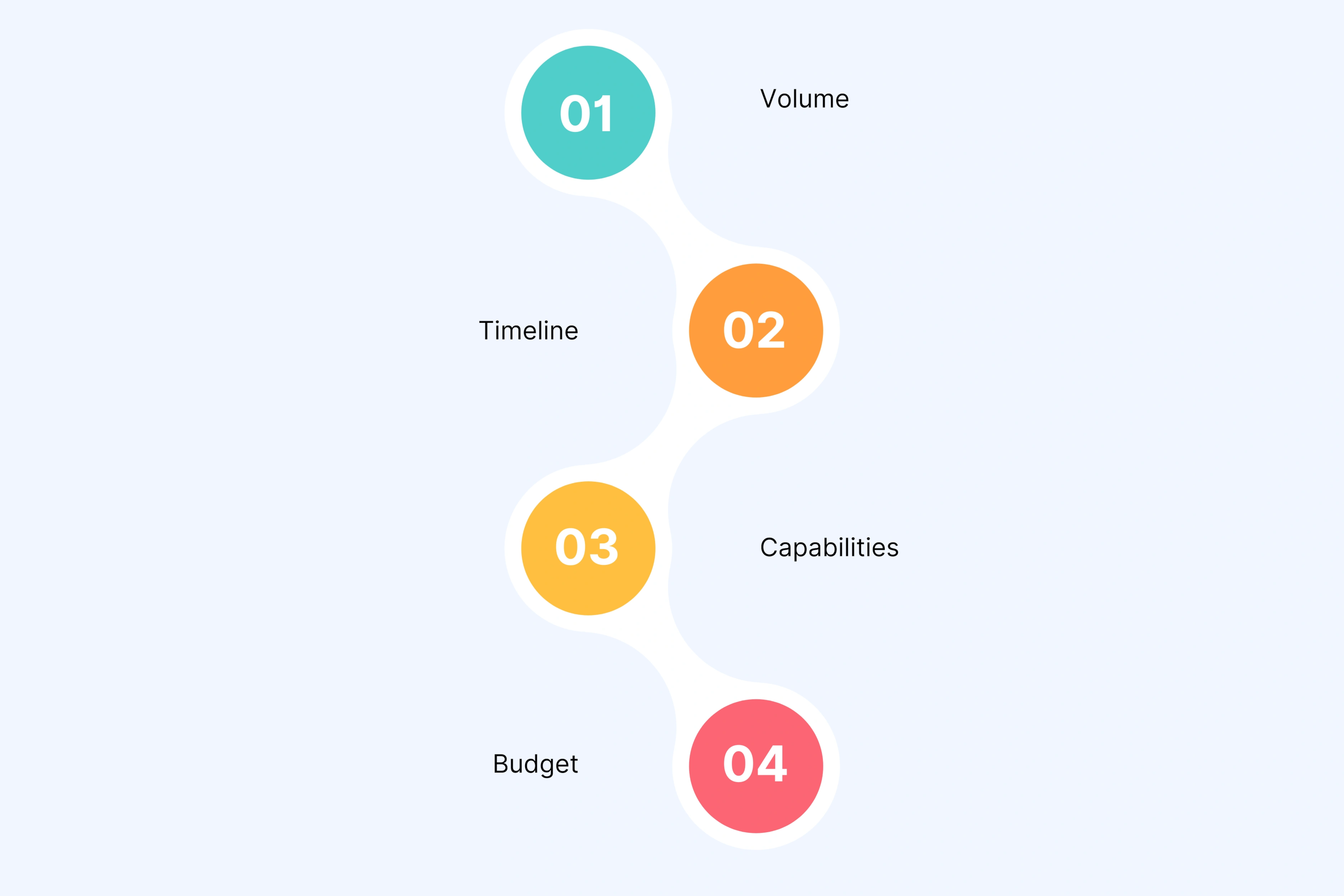
Answer these four questions:
Volume: Do you need 5 videos monthly or 50?
Timeline: Can you wait days or do you need hours?
Capabilities: Does your team have video skills or just strategy skills?
Budget: Are you paying for software licenses, freelancers, or finished content?
Match your answers to the model that fits.
How a Creative Partner Approach Changes the Game
A creative partner sits between self-service tools and traditional agencies.
You do not log into software. You do not manage freelancers. You send a brief. You receive finished videos.
What the entire process looks like
Your partner handles script writing. They create custom AI avatar characters for your brand. They produce the video. They optimize video length for each platform. You review and approve.
This model works when you need high volume across multiple platforms. When you want variation without building an in-house team. When strategic recommendations matter more than software access.
What you gain
Your team focuses on strategy. Not video generation technical skills. You scale without hiring editors. You get reusable assets like trained AI avatars and product libraries.
Partners can repurpose long video content into social clips. They adapt content that supports multiple languages. They fine tune videos to match your preferred style over time.
Realistic expectations
Turnaround happens in hours or days. Not minutes. Quality takes time even with AI tools involved.
You own the final videos. Not the tools. This matters if your goal is filling a youtube channel or running daily campaigns. You need content. Not software skills.
When volume exceeds 20 videos monthly, partnership models often cost less than internal teams or agency retainers.
What This Means for Teams Trying to Scale Video Content
Stop making videos. Start running a content system.
Your approach depends on volume. Five videos monthly? DIY tools work. Fifty videos? You need a different model.
Pick one format. Master one platform. Then expand. The biggest mistake is chasing perfection. Testing beats perfecting every time.
Your goal is not viral clips weekly. Your goal is sustainable content your team can produce without burning out.
What slows you down? Tool complexity? Lack of skills? Approval bottlenecks? Fix the real blocker.
If your team spends more time managing tools than creating strategy, rethink your approach.
What is the best AI video generator for social media?
The best tool depends on your volume and timeline needs. Look for format support for Reels and TikTok. Check turnaround time. Free plans work for testing. Paid plans make sense above 20 videos monthly.
How long does it take to create AI social videos?
Expect hours to days. Not minutes. Simple clips take a few hours. Complex videos with brand elements take one to two days. Review and revisions add time.
Can AI video generators create content for multiple platforms?
Yes. Good solutions adapt one concept into multiple formats. Reels need 9:16 vertical. TikTok needs similar specs but different pacing. Each platform gets the right version.
What's the difference between an AI video editor and an AI video generator?
An editor speeds up cuts and transitions on existing footage. A generator creates new video from scripts. End-to-end production combines both with human strategy.
Do I need video editing skills to create AI social videos?
Tools are simple to use. But you still need strategy skills. What makes content engaging? What do platforms want? Many teams partner with specialists instead of learning tools.
How much does AI video generation cost compared to traditional production?
Traditional agencies cost thousands per video. In-house teams need salaries and equipment. AI-powered partners typically cost less at volume. Higher output means better cost efficiency.
Can AI create videos in multiple languages?
Yes. AI adapts content for different markets. Voiceovers, captions, and text get localized. Review localized versions with native speakers before publishing.
What types of social videos work best with AI generation?
Faceless tutorials, explainer videos with AI avatars, UGC-style testimonials, product demos, and training content all work well. Match content type to your goal.
How do I maintain brand voice in AI generated videos?
Provide clear style guidelines. Share examples. Define your messaging. Review output against brand standards. Partners who learn your brand deliver better consistency.
What's the ideal video length for social media content?
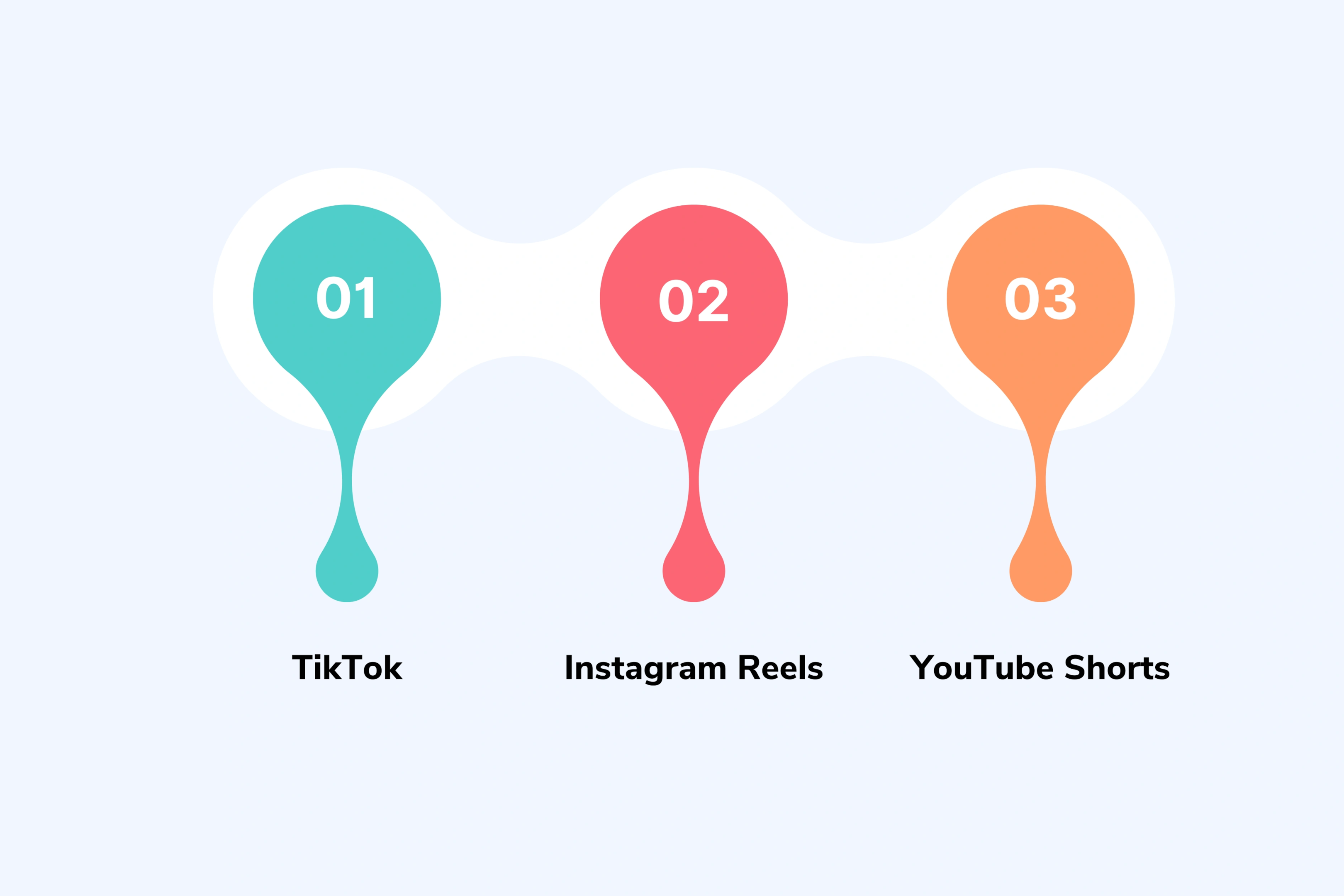
TikTok: 15 to 60 seconds. Reels: 15 to 90 seconds. YouTube Shorts: under 60 seconds. Product demos: 30 to 45 seconds. Test lengths and track completion rates.
Let's Turn Your Scripts into Stunning Videos. Sign Up Now.
Stop struggling with video creation. Our AI simplifies the process, letting you create professional-looking videos from text in record time. Try it for free today!
AI Social Videos: Why Social Content Needs a Different Approach Than Traditional Video
Social content demands volume without sacrificing quality. Learn why AI social videos need format-led thinking, not just faster editing and how to scale strategically.
Your team needs to post three to five times a day. Every platform wants something different. TikTok needs vertical video. Reels need captions. YouTube Shorts need hooks in three seconds.
Traditional video production was not built for this. You cannot shoot one commercial and cut it down for social media. The format is wrong. The pacing is wrong. The algorithm does not reward it.
AI social videos promise speed. But speed without strategy creates more content that does not work. You need a system that balances volume with quality and treats each platform differently from the start.
Key Takeaways
Social needs speed: You cannot use traditional video workflows for daily social content. The turnaround time does not match platform demands.
Format comes first: Design for Reels or TikTok specs from the start. Cutting down long videos wastes time and hurts performance.
Volume enables testing: Multiple video versions let you run A/B tests. More content means faster learning about what your audience wants.
AI speeds execution: AI video generation handles technical tasks fast. But you still need creative strategy and platform knowledge.
Quality means thumb-stopping: High quality videos for social media means scroll-stopping hooks. Not cinematic production value.
Reusable assets scale: Custom AI avatars and trained product assets work across campaigns. Build once and use many times.
Partnership beats tools: Learning video editing software takes time. A creative partner delivers finished videos while you focus on strategy.
Why Traditional Video Workflows Fail for Social Content
Traditional video production takes weeks. You plan the shoot. You film. You edit. You get approvals. Then you publish one polished video.
Social media needs 20 to 50 videos every month. That old production process cannot keep up.
The biggest mistake brands make is shooting long video content and cutting it down for social platforms. This does not work. Here is why:
Platform algorithms spot repurposed content: TikTok and Reels reward videos made for their format. Cropped commercials feel wrong. The pacing is off. The hooks are in the wrong place. Your engagement drops.
Each platform measures success differently: YouTube channel content needs watch time. TikTok wants shares and completion rate. Instagram Reels tracks saves and comments. One video editing approach cannot win on all three.
Video editing skills become your bottleneck: Your team knows strategy. But creating videos requires different skills. When you need daily content, waiting for a video editor slows everything down. Most video editor tools are built for precision. Not for creating 30 variations fast.
When you publish one perfect video per month, you get one data point. When you publish 20 videos, you learn what hooks work. What video length keeps attention? What background music your audience like?
Start with the format. Not your message. This is backwards from traditional marketing but it works.
The first three seconds decide everything:
Your hook must stop the scroll. No slow build-up. No logo intro.
Start with the payoff. Use visual movement.
Add text overlays that create curiosity. This is not preference. This is survival.
Each platform has non-negotiable specs:
Vertical video is required.
Dynamic captions are required.
Background music that matches platform trends is required.
You cannot ignore these and expect engagement.
Different video formats serve different goals. Viral clips build awareness. Explainer videos drive conversion. Short form videos with AI avatars work for testimonials. Product demos need different pacing than brand stories.
High quality videos on social media means something specific. It means thumb-stopping quality. Not expensive cameras. Not perfect lighting. Your video quality is measured by engagement. Does it make people stop? Does it boost engagement? Does it get shared?
Sound design matters more than you think: Most people scroll with sound on. Background music sets the mood. Sound effects add punch to transitions. Silence feels wrong on TikTok but works on LinkedIn.
Text overlays are not optional. They highlight key points. They keep attention when audio is off. They guide the viewer through your story.
AI video generation speeds up technical work. You can create videos with AI avatar for testimonials. You can generate multiple formats from one concept. You need a Reel and a TikTok version? AI handles that fast.
Localization is another win. AI tools that support multiple languages let you adapt content for different markets. Personalization at scale becomes possible when AI swaps names or locations in bulk.
Where humans still matter
AI generated videos need direction. You provide the creative brief. You decide the hook. You define your brand voice. Text prompts alone do not create scroll-stopping content.
Strategy comes from people. Which platform? What goal? What message? AI video editor software cannot answer these questions.
What "AI Video Generator" Actually Means in Practice
The term gets used three ways:
Editing automation: speeds up cuts and transitions but you still build the story.
Content creation: generates new AI video from scripts or assets but needs your input on style and format.
Creative partnership: delivers finished videos where a team handles strategy and execution together.
Most brands need the third option. Not just AI features.
The Real Challenge: Scaling Video Content Without Scaling Headcount
Hiring more video editors does not fix your volume problem. You still face the same bottleneck.
The real issue is not production speed. It is creative variation. You need 30 different videos. Not the same video 30 times.
What actually slows teams down
Your content strategy needs constant iteration. Each platform wants different hooks. Each audience segment needs tailored messaging. An AI video generator can speed up rendering. But it cannot decide what to create.
Then they hit reality. You still need to write briefs. You still need to maintain brand voice. You still need to review every generated video.
Video templates help with consistency. But template-based content feels repetitive fast. Your audience notices when you use the same AI avatar in every explainer video.
The "just a few clicks" promise sounds good. In practice, creating professional quality videos takes hours or days. Not minutes. Each full video needs review. Each AI clip needs context. Each text prompt needs refinement.
Why "User Friendly Interface" Isn't the Solution
Software complexity is not your blocker. Strategy is.
You do not need easier AI tools. You need someone to handle the entire process. From content creation planning to final delivery. That frees your team for social media strategy instead of managing video generation workflows.
Building a Sustainable Social Video System (Volume + Quality)
Start with your content strategy before you touch any AI video generator. Ask one question: what does your target audience need at each stage?
Build reusable asset libraries
Create AI avatar characters you use across campaigns. Train product b roll once and reuse it in multiple formats. Build brand assets that work on social platforms. This modular approach is a huge time saver.
One video template does not work everywhere. You need different formats for different goals. Faceless videos work for tutorials. AI generated videos with brand safe AI avatars work for testimonials. Product demos need tight b roll cuts.
Test variations, not perfection
Launch three to five versions of each concept. Change the hook. Swap the AI avatar. Try different opening lines. Multiple formats give you data. One perfect video gives you hope.
A/B testing shows what works. But test the right things. Do not test background colors. Test hooks. Test video formats. Test calls to action. These drive results.
Track engagement metrics that matter. Comments and shares beat view counts. Completion rate beats total plays. Your AI video content should boost engagement. Not just rack up impressions.
The Format Matrix Approach
Match content type to platform and goal:
Awareness stage: Viral AI clips on TikTok, faceless explainer videos on Reels
A/B Testing for Social Video (What to Actually Test)
Focus your tests on three areas:
Hooks: First three seconds with different visual or text openings
Formats: Same message as short AI video vs. long form content
CTAs: Different end screens or calls to action
Do not test everything. Test what changes behavior. Your video creation workflow should produce variations fast. Not perfect videos slowly.
Choosing Your Approach: Tools, Partners, or Hybrid Models
You have three options for scaling video content. Each works for different situations.
DIY with video generator tools
You buy access to an AI video generator. Your team learns the platform. You control the entire process. This works if you need under 10 videos monthly and have editing time.
Free plan options let you test. But volume hits limits fast. Most platforms cap exports or add watermarks. Paid plans make sense when you cross 20 videos per month.
Traditional agency model
You brief an agency. They produce. You wait weeks. This works for big campaigns. Not for daily social media clips.
Creative partner approach
You send briefs. You receive finished videos in hours or days. No tool training. No hiring editors. A creative partner handles strategy and delivery together.
The best AI video generator for training video content is different than the best tool for social media clips. Your use case decides the answer.
Questions to Ask Before Choosing
Answer these four questions:
Volume: Do you need 5 videos monthly or 50?
Timeline: Can you wait days or do you need hours?
Capabilities: Does your team have video skills or just strategy skills?
Budget: Are you paying for software licenses, freelancers, or finished content?
Match your answers to the model that fits.
How a Creative Partner Approach Changes the Game
A creative partner sits between self-service tools and traditional agencies.
You do not log into software. You do not manage freelancers. You send a brief. You receive finished videos.
What the entire process looks like
Your partner handles script writing. They create custom AI avatar characters for your brand. They produce the video. They optimize video length for each platform. You review and approve.
This model works when you need high volume across multiple platforms. When you want variation without building an in-house team. When strategic recommendations matter more than software access.
What you gain
Your team focuses on strategy. Not video generation technical skills. You scale without hiring editors. You get reusable assets like trained AI avatars and product libraries.
Partners can repurpose long video content into social clips. They adapt content that supports multiple languages. They fine tune videos to match your preferred style over time.
Realistic expectations
Turnaround happens in hours or days. Not minutes. Quality takes time even with AI tools involved.
You own the final videos. Not the tools. This matters if your goal is filling a youtube channel or running daily campaigns. You need content. Not software skills.
When volume exceeds 20 videos monthly, partnership models often cost less than internal teams or agency retainers.
What This Means for Teams Trying to Scale Video Content
Stop making videos. Start running a content system.
Your approach depends on volume. Five videos monthly? DIY tools work. Fifty videos? You need a different model.
Pick one format. Master one platform. Then expand. The biggest mistake is chasing perfection. Testing beats perfecting every time.
Your goal is not viral clips weekly. Your goal is sustainable content your team can produce without burning out.
What slows you down? Tool complexity? Lack of skills? Approval bottlenecks? Fix the real blocker.
If your team spends more time managing tools than creating strategy, rethink your approach.
What is the best AI video generator for social media?
The best tool depends on your volume and timeline needs. Look for format support for Reels and TikTok. Check turnaround time. Free plans work for testing. Paid plans make sense above 20 videos monthly.
How long does it take to create AI social videos?
Expect hours to days. Not minutes. Simple clips take a few hours. Complex videos with brand elements take one to two days. Review and revisions add time.
Can AI video generators create content for multiple platforms?
Yes. Good solutions adapt one concept into multiple formats. Reels need 9:16 vertical. TikTok needs similar specs but different pacing. Each platform gets the right version.
What's the difference between an AI video editor and an AI video generator?
An editor speeds up cuts and transitions on existing footage. A generator creates new video from scripts. End-to-end production combines both with human strategy.
Do I need video editing skills to create AI social videos?
Tools are simple to use. But you still need strategy skills. What makes content engaging? What do platforms want? Many teams partner with specialists instead of learning tools.
How much does AI video generation cost compared to traditional production?
Traditional agencies cost thousands per video. In-house teams need salaries and equipment. AI-powered partners typically cost less at volume. Higher output means better cost efficiency.
Can AI create videos in multiple languages?
Yes. AI adapts content for different markets. Voiceovers, captions, and text get localized. Review localized versions with native speakers before publishing.
What types of social videos work best with AI generation?
Faceless tutorials, explainer videos with AI avatars, UGC-style testimonials, product demos, and training content all work well. Match content type to your goal.
How do I maintain brand voice in AI generated videos?
Provide clear style guidelines. Share examples. Define your messaging. Review output against brand standards. Partners who learn your brand deliver better consistency.
What's the ideal video length for social media content?
TikTok: 15 to 60 seconds. Reels: 15 to 90 seconds. YouTube Shorts: under 60 seconds. Product demos: 30 to 45 seconds. Test lengths and track completion rates.
We are committed to safety, security, and ethical use of our service. Al avatars can only be created and shared with express consent and cannot be used to spread content that's harmful to others.
December 23, 2025
How to Scale Video Ad Production Without the Traditional Bottlenecks
Learn how teams produce 20-30 video ad variations per campaign without massive budgets. Practical strategies for scaling video production that actually work.
Short-Form Video Ads: Why Most Fail in 7 Days (And How to Win)
Most short-form video ads lose 50% performance in 7 days. Learn the attention patterns, variation strategies, and platform tactics that sustain results.
How to Scale UGC Video Ads Without Losing Authenticity (or Your Budget)
UGC video ads drive conversions, but scaling them is expensive and slow. Learn how brands test multiple hooks, maintain authenticity, and reduce ad spend without creator dependency.
Avatar Marketing: Which One Do You Actually Need? (And How to Know)
Avatar marketing can mean digital AI characters OR customer profiling. Learn which one you need, when each works, and how to avoid costly mistakes in your strategy.
We are committed to safety, security, and ethical use of our service. Al avatars can only be created and shared with express consent and cannot be used to spread content that's harmful to others.
Data Encryption
Your data is encrypted both in transit and at rest, ensuring safe and confidential communications at all times.
Privacy Compliance
Our platform adheres to GDPR, CCPA, and SOC 2, safeguarding your data with strict security protocols.
Identity Verification
We use identity checks to ensure only authorized individuals access your account and data.
24/7 Monitoring
Our system continuously monitors for vulnerabilities, keeping your data safe from potential risks.






.svg)
.svg)
%201.svg)

.webp)
.webp)
.webp)


.svg)
